.jpg)
.jpg)
.jpg)




Veronese Bonifacio
1487 - October 19, 1553
♦ The children of Lazarus ♦
There was no sound more feared in the Middle Ages than the piercing sound of the leper's bell. Those afflicted with Lazarus' disease were rejected by society and doomed to rot away among their fellow sufferers in the leper colony.
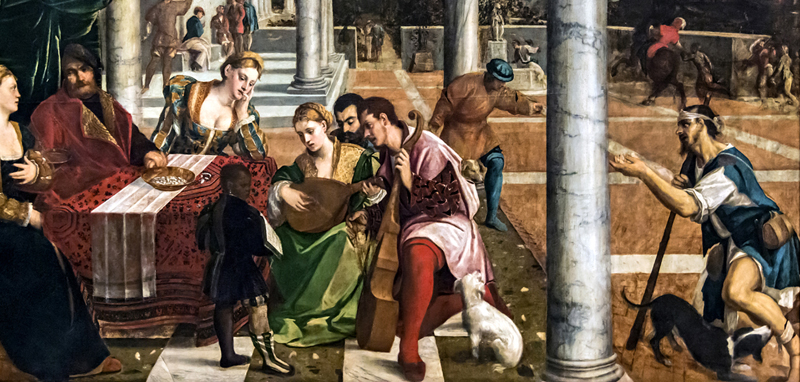
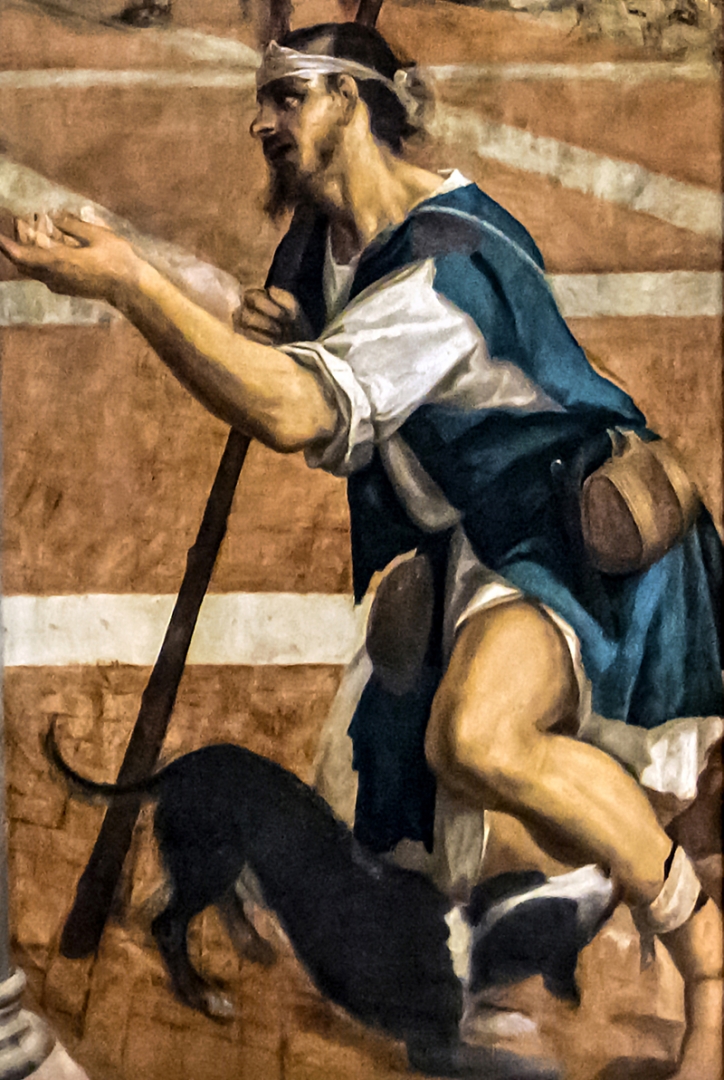
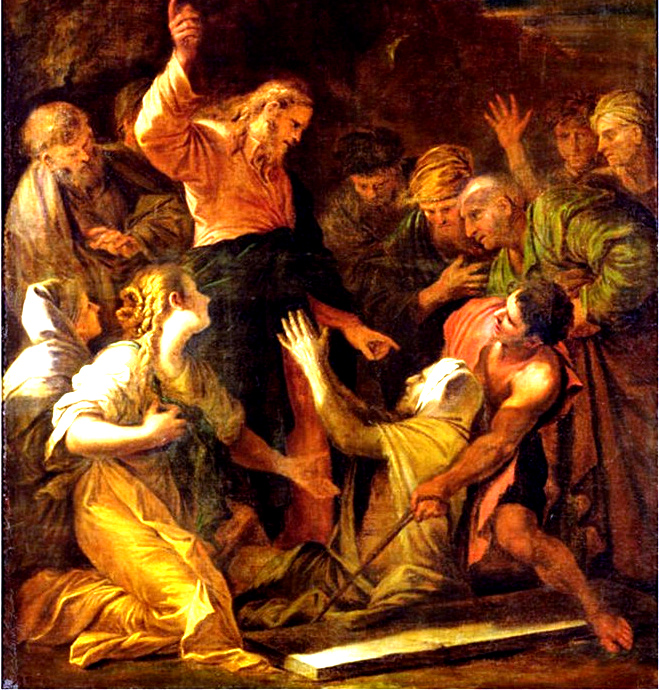
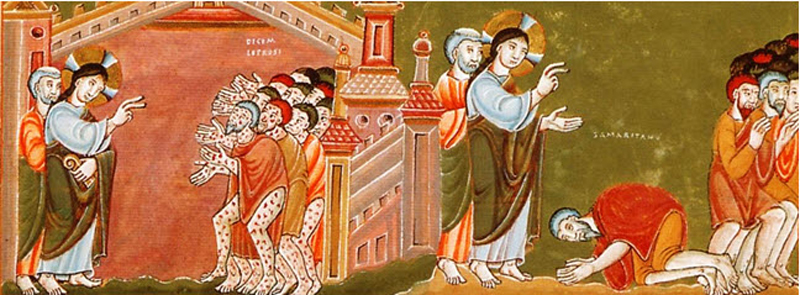
A beggar named Lazarus lay at the gate of the rich man's house, covered with sores. He hoped to fill his stomach with what was left over from the rich man's table, but only dogs came and licked his sores. One day the beggar died and was carried away by the angels to rest at Abraham's side (Luke 16:20-22).
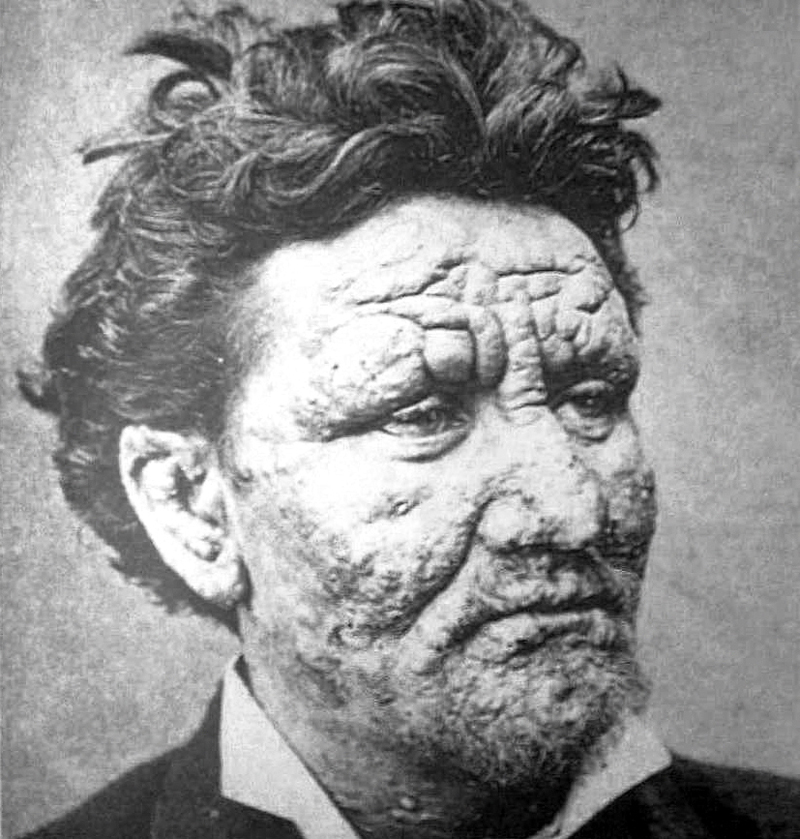
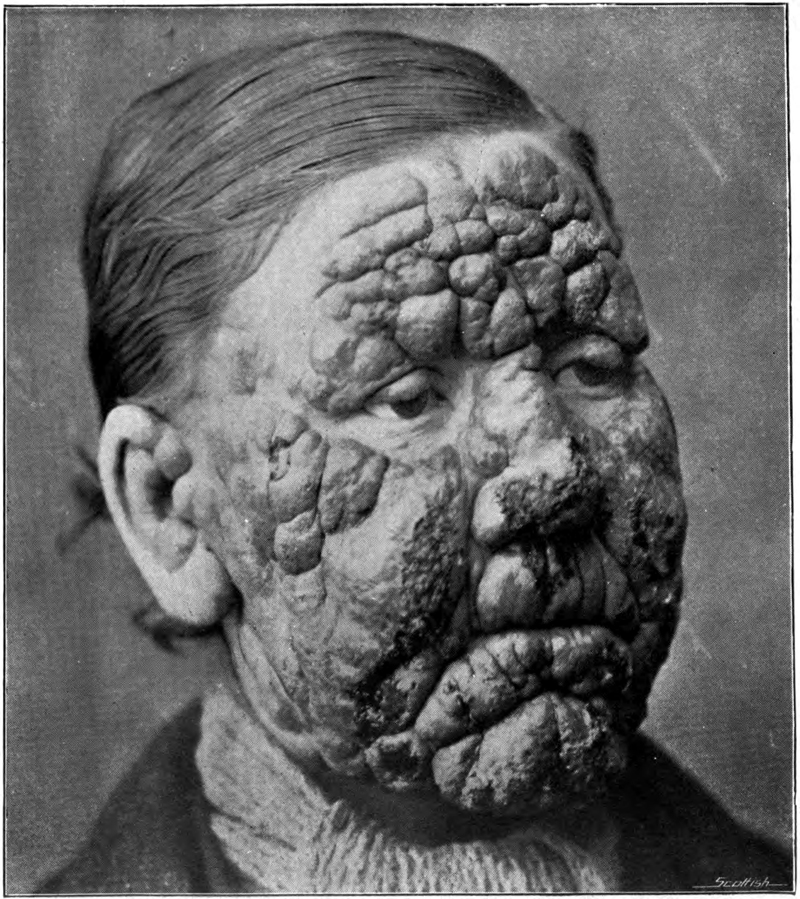
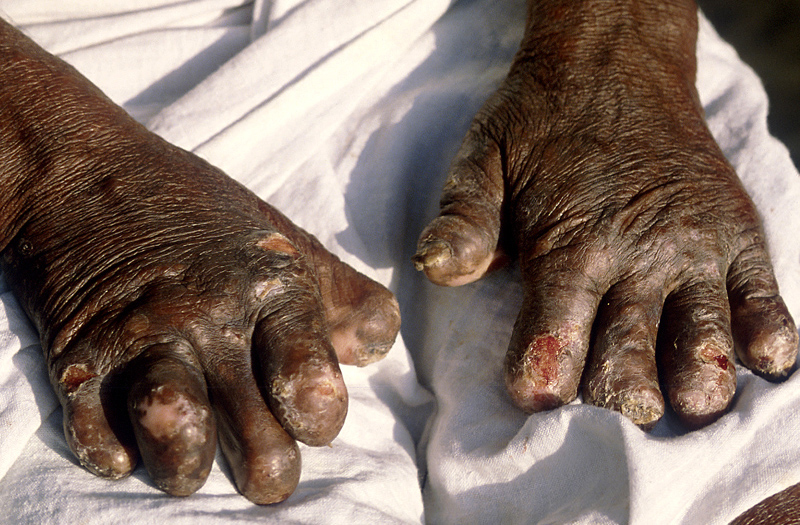
♦ Lazarus' disease, as leprosy or leprosy was also called, was surrounded by an ominous mystique in the Middle Ages. Unlike the plague, death is slow in coming and the disease can drag on for many agonizing years. In its most advanced stage, the face was transformed into a repulsive mask and the hands were contorted into useless claws. But leprosy was not so merciful as to affect the brain, so that the victim remained a witness to their own relentless decline until the very end.
♦ Leprosy - God's punishment for unbridled lusts
This terrible disease originated in the Middle East and had already spread throughout the Mediterranean region in Roman times. Its name is derived from the Greek word for flake, lepris. By the 5th century, the disease had reached Central Europe and England, and spread to Scandinavia via Viking ships. During the Crusades, the number of infections increased rapidly, with infected pilgrims and crusaders spreading leprosy, which found an ideal breeding ground in the narrow, filthy alleys of the cities. That is why, in 1179, the Third Lateran Council decided that ‘lepers should not live together with healthy people’.
While the high clergy in Rome banishes lepers from the world of the living for good, there is a king on the throne in Jerusalem who himself suffers from the disease. The fact that the ruler of the holy places in the Promised Land is the victim of this terrible disease shocks the faithful deeply. The chroniclers therefore speak of God's punishment – the royal house of Jerusalem had become too worldly, too sinful, too blasphemous.
The mystic Hildegard of Bingen also interprets leprosy in her medical writings as divine punishment for an unnaturally strong sex drive. Another medieval theory states that lepers were conceived during Lent, when sexual intercourse was forbidden.
However, the level-headed townspeople of that time knew from their own observations that the disease was transmitted by infection. As soon as someone appeared to show the first signs, they were subjected to an examination. To prevent a healthy person from being stigmatized by an incorrect diagnosis, the examination was only carried out in daylight by a sworn ‘inspector’. If leprosy was diagnosed, a funeral mass was read for the sick person, because outside the city walls, the community of the living dead now awaited them.
♦ Leprosarium
The leprosarium becomes the sick person's new home. It is very reminiscent of a monastery, with its chapels, stables, and barns, its cells, and cemetery. Life in the leprosarium also has monastic characteristics: the residents are addressed as brothers and sisters, they all wear the same unfashionable clothing, and their day is divided into prayer times. There is even a rule of life, which prescribes sexual abstinence, among other things. The Siechenhaus in Lübeck, for example, stipulates: 'Carnal intercourse is forbidden to the residents, both among themselves and with healthy persons, even if they are their husband or wife.
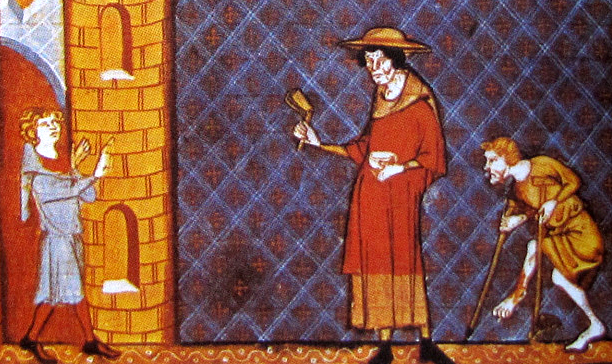
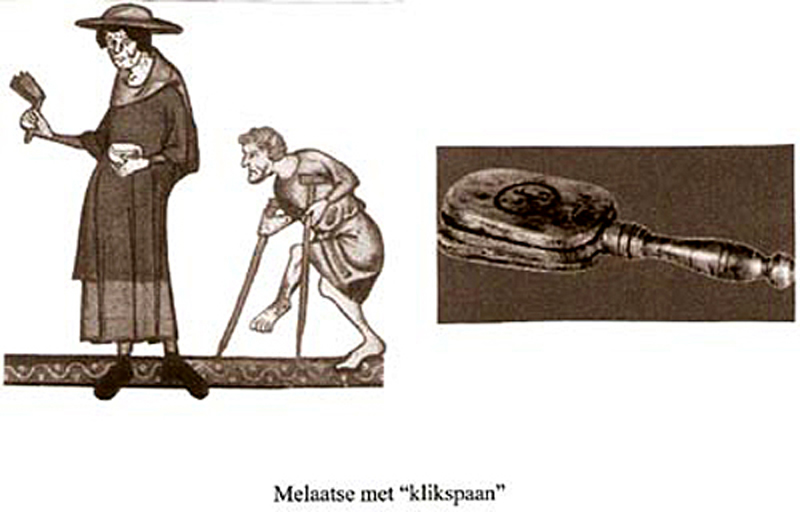
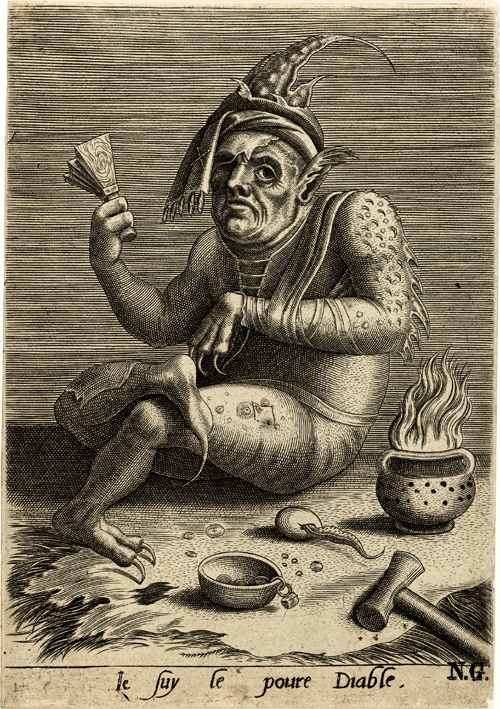
To protect healthy people, lepers must announce their approach with a rattle, speak only against the wind, and only touch the railings of bridges with their shod hands. Yet even among the living dead of the asylum, there is anything but social equality. Proveniers who buy their way into the asylum can arrange for additional care, and many lepers enjoy a privileged lifestyle, with their own servant who washes, cleans, or shops at the market for them.
But even those who are paid by the city council can count on basic care. They usually have good food and drink, there is beer and meat, and since they are registered as dead, they do not have to observe fasting laws. No wonder that illnesses are repeatedly feigned – the poorest find it difficult to resist the lure of regular meals. In addition, there are healthy people who buy their way into the asylum completely legally in order to stay with their spouse.
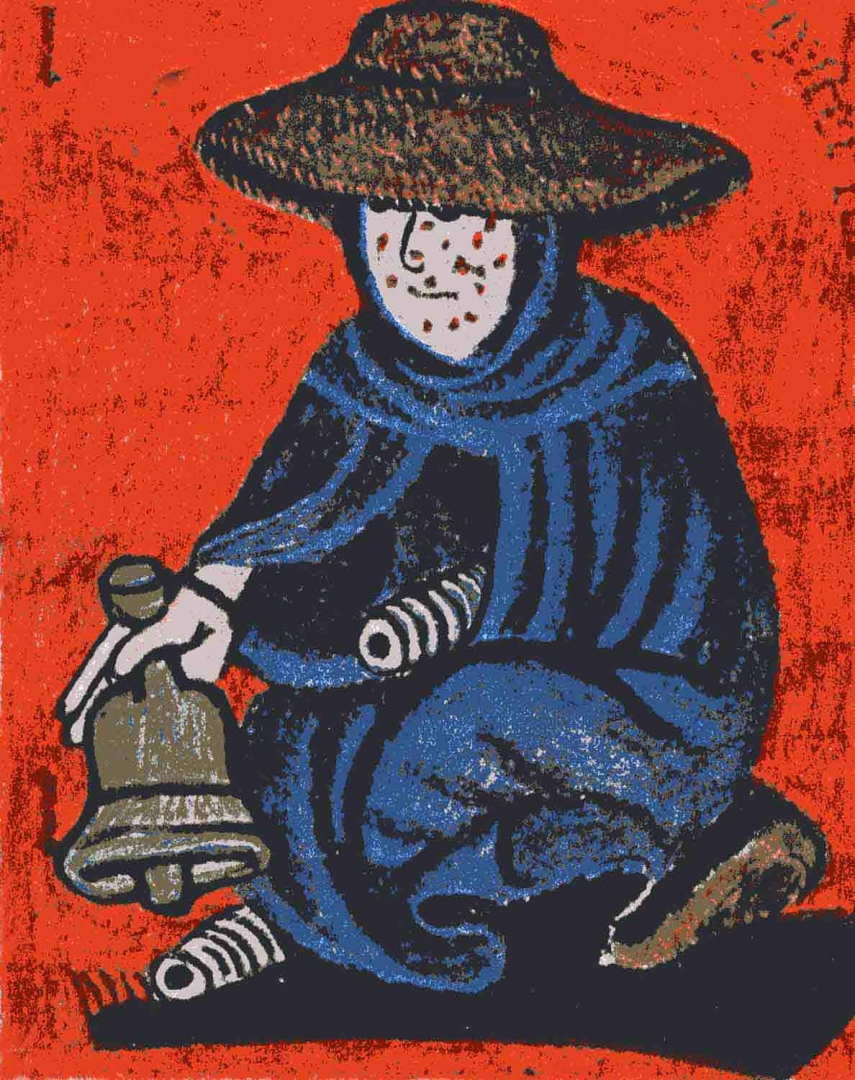
Because lepers are only allowed to beg within the city walls on a few holidays and under very strict conditions, many institutions employ a ‘bell boy’ who asks for alms with a bell in his hand. It is a risky job, because many ‘bell boys’ end their working lives as lepers.
Not all lepers are willing to wait years for a merciful death. In the crusader principalities, leper knights fight under the banner of the Order of Saint Lazarus against the enemies of Christianity. They are formidable warriors, for the battlefield offers them only one advantage: victory or a quick death by the sharp blade of the sword.
In the 14th century, during the Hundred Years' War, these doomed men sowed panic among the English. But in the Late Middle Ages, the deadly grip of leprosy weakened and the disease disappeared from Western and Central Europe. More and more leprosariums could be closed down, until the leprosy clappers finally fell silent in the 18th century.
Source: G-Geschiedenis
2012_volume 3-no. 1

Leprosy
References
G-Geschiedenis
Photos
wikipedia.org
leper's outside
http://www.thephoenixgarden.org/wp-content/uploads/2011/10/1b.-Leper-of-St-Giles-copy.jpg