logo ErasmusMC
  • ABOUT
  • AMAZING FACTS
  • HISTORY
  • ART
  • DISEASES
  • TESTS
  • BACTERIA
  • WELCOME
  • BACTERIA
  • FUNGI
  • TESTS
  • ART
  • AMAZING FACTS
  • HISTORY
  • ABOUT

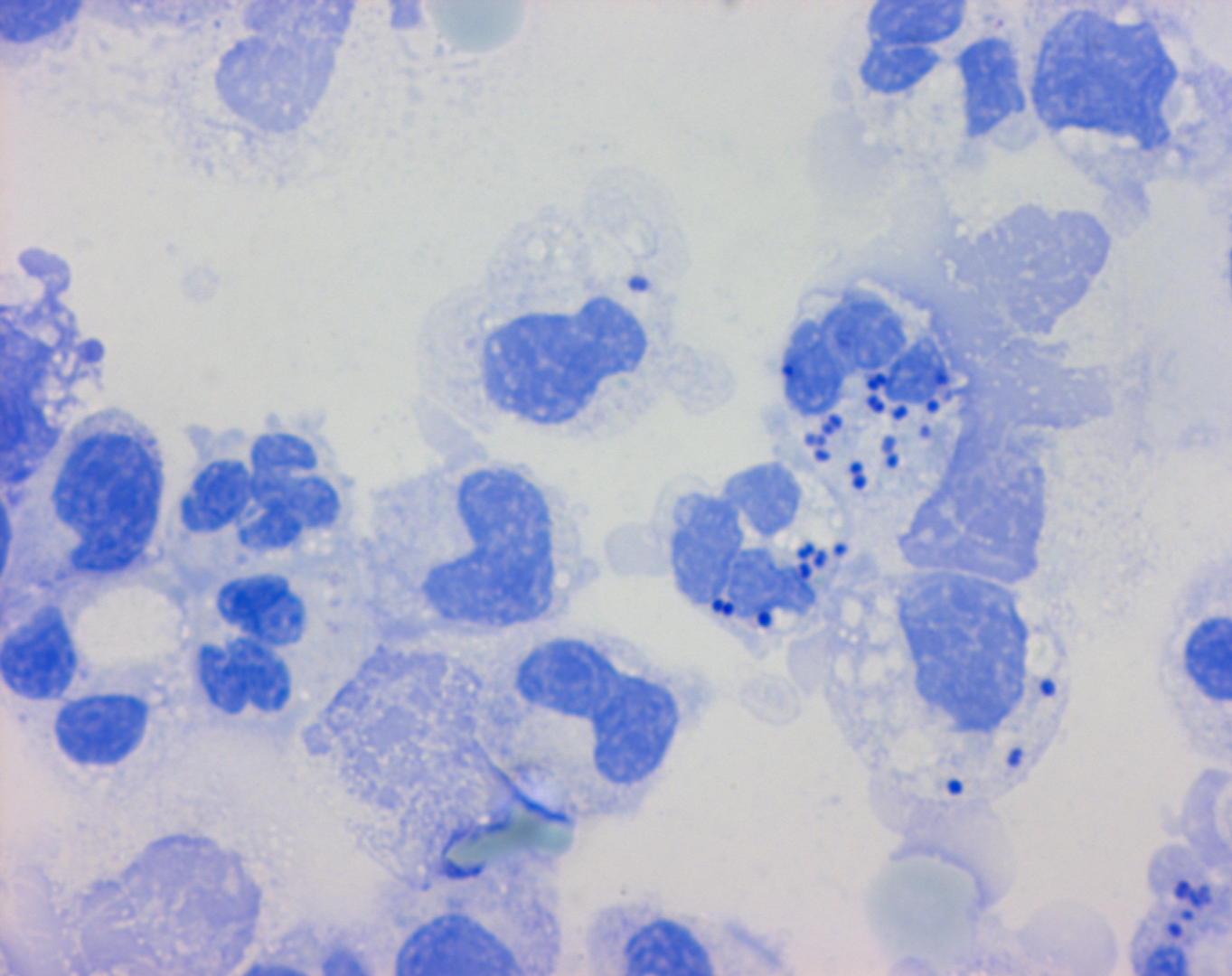
Methylene Blue stain

♦ Methylene Blue stain Or Loefflers stain is a multipurpose stain recommended for use in staining bacteria and leukocytes.. ♦ Summary Methylene Blue is recognized as a simple stain used for determining bacterial morphology. Is recommended for use in the staining of gram-negative bacteria found in spinal fluid, namely Neisseria meningitidis and Haemophilus influenzae. This tecnique, more so than gram stain, allows for better contrast these gram-negative organisms and the background. M…

Indole test

The indole test is a biochemical test performed on bacterial species to determine the ability of the organism to convert tryptophan into indole. This division is performed by a chain of a number of different intracellular enzymes, a system generally referred to as "tryptophanase." Biochemistry Indole is generated by reductive deamination from tryptophan via the intermediate molecule indolepyruvic acid. Tryptophanase catalyzes the deamination reaction, during which the amine (-NH2) grou…

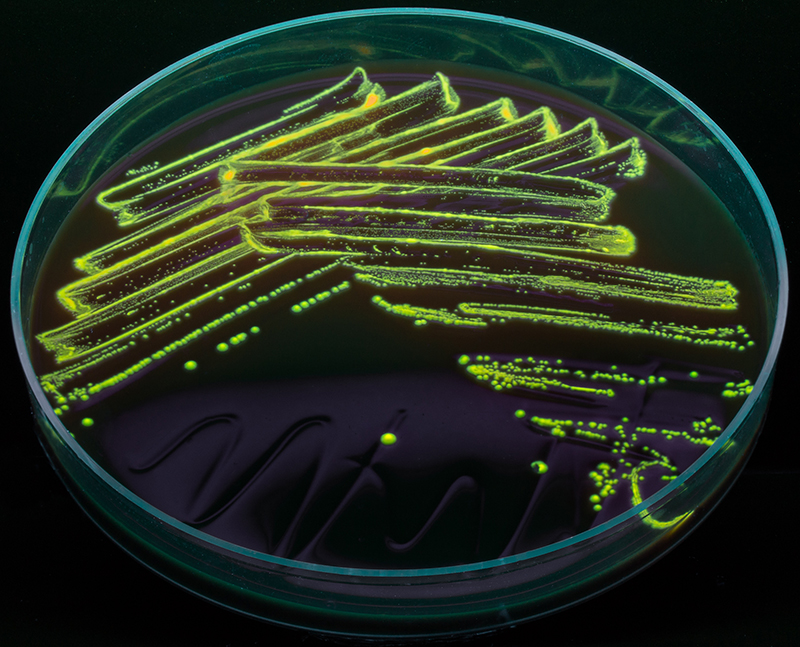
Fluorescence_Fusobacterium necrophorum, F. nucleatum and F. species

long wave (365 nm) UV-light / medium dependent Fusobact spec yellow-green Porphyromonas spec orange to brick red Prevotella spec orange to brick red (only young cultures) Veillonella parvula red Clostridium difficile pale yellow to bright yellow SEE WEBSITE: Fusobacterium necrophorum and Prevotella corporis UV light, short for Ultraviolet Light, is a type of light energy making up one part of the electromagnetic spectrum, which spectrum includes gamma and x-rays, UV light, visible light, infrare…

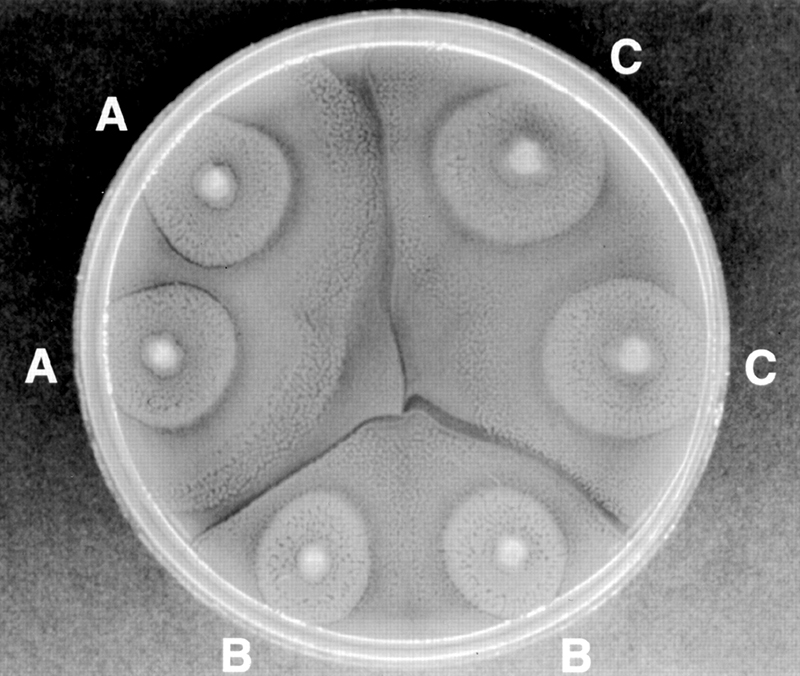
Dienes phenomenon test_P. mirabilis

Dienes phenomenon, when two identical Proteus cultures are inoculated at different points on the same plate of non-inhibitory medium, the resulting swarwing of growth coalesce without signs of demarcation. When, however, two different strains of Proteus are inoculated, the spreading films of growth fail to coalesce and remain separated by a narrow easily visible area. The observation of this appearance, the Dienes phenomenon has been used to determine the identity or non-identity of strains in e…

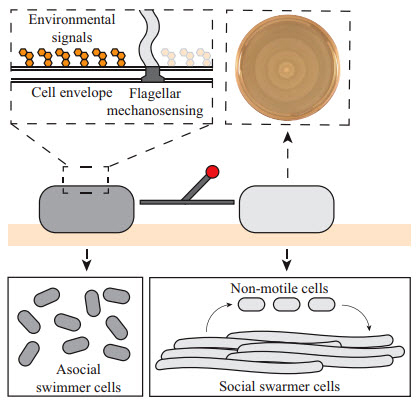
Motility_Proteus mirabilis

♦ Swarming Is a rapid (2–10 μm/s) and coordinated translocation of a bacterial population across solid or semi-solid surfaces, and is an example of bacterial multicellularit and swarm behaviour. ♦ Proteus mirabilis morphology and swimming on agar Short swimmer cells, when plated on an agar surface differentiate into elongated, multinuclear heavily flagellated swarmer cells (up to 80 μm long). Swarmer cells associate with one another and spread away from the point of inocu…

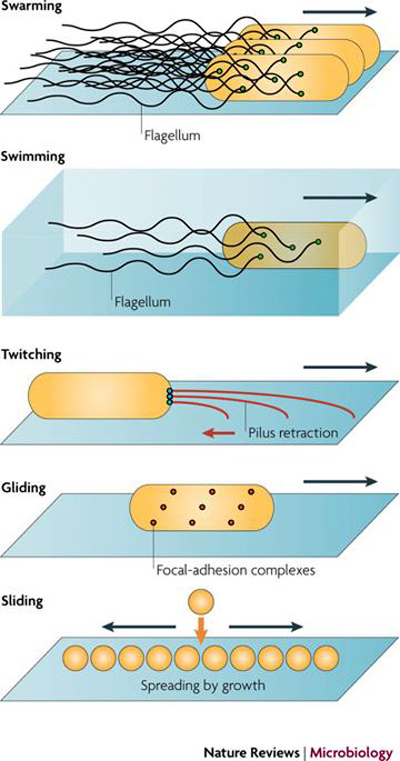
Motility

Motility Bacteria use different motility patterns to navigate and explore natural habitats. - Swarming - Swimming - Twitching - Gliding - Sliding - Brownion ♦ Swarming Is a rapid (2–10 μm/s) and coordinated translocation of a bacterial population across solid or semi-solid surfaces, and is an example of bacterial multicellularit and swarm behaviour. Swarming motility has been mostly studied in genus Serratia, Salmonella, Aeromonas, Bacillus, Yersinia, Pseudomonas, Proteus, Vibrio …

CAMP-test revers_Corynebacterium ulcerans

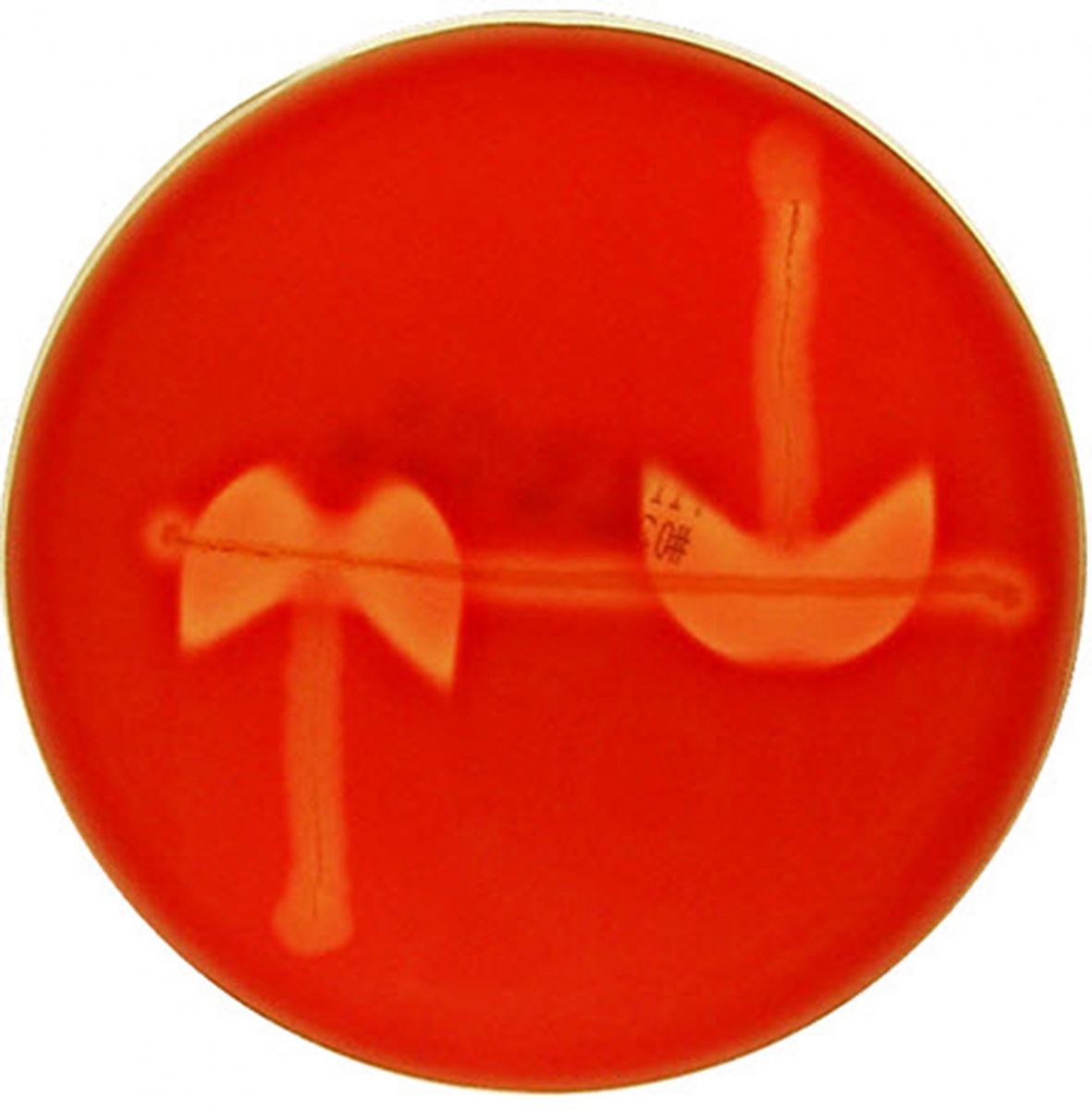
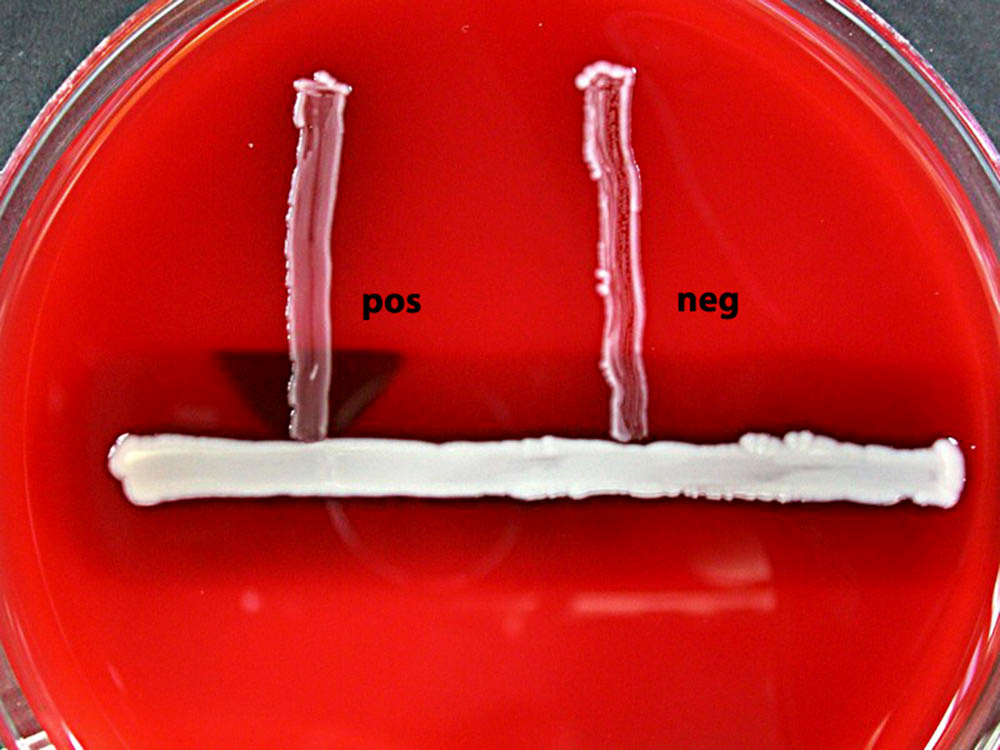
♦ Revers CAMP test It can be used for determination of Corynebacterium ulcerans Here a CAMP-revers positive Corynebacterium ulcerans is streaked in the center of sheep blood agar, and a Staphylococcus aureus is streaked perpendicular to it. Following incubation at 37ºC for 24-48 hours in aerobic conditions, an "arrowhead" hemolysis is seen between the growth of Corynebacterium ulcerans and Staphylococcus aureus This is because of alpha toxin produced by Corynebacterium ulcer…

Triple Sugar Iron (TSI) Agar

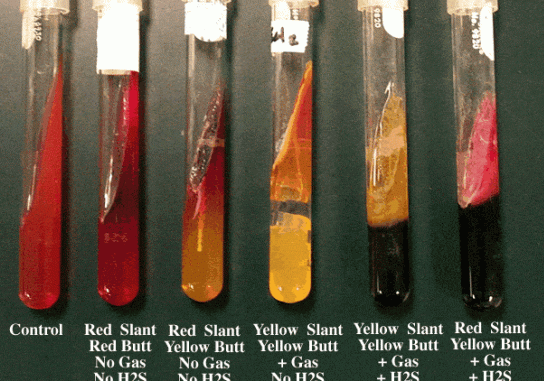
Whenever you see the name of this test i.e. Triple Sugar Iron Agar, you have to remember that it’s a test which has three sugar (Lactose, Sucrose, and Glucose) and also iron; and it contains Agar as solidifying agent (TSI is a semi-solid media having slant and butt). Composition of Triple Sugar Iron Agar (TSI) Lactose, Sucrose and Glucose in the concentration of 10:10:1 (i.e. 10 part Lactose (1%), 10 part Sucrose (1%) and 1 part Glucose (0.1%)). - 0.1% Glucose: If only glucose is fermented…

CAMP-test revers_Arcanobacterium haemolyticum

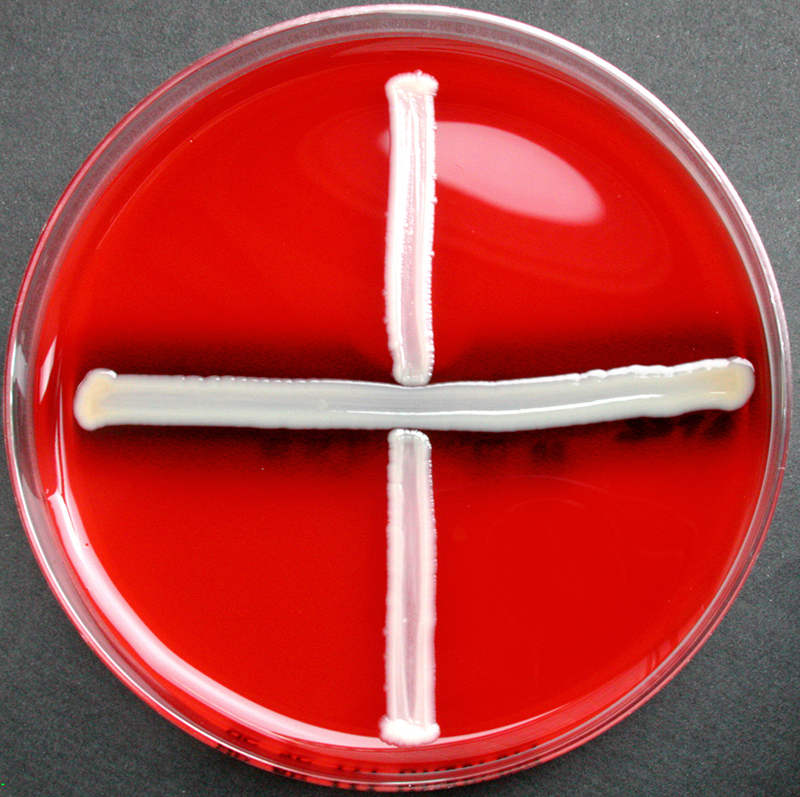
♦ Revers CAMP test It can be used for determination of Arcanobacterium hemolyticum Here a CAMP-revers positive Arcanobacterium haemolyticum is streaked in the center of sheep blood agar, and a Staphylococcus aureus is streaked perpendicular to it. Following incubation at 37ºC for 24-48 hours in aerobic conditions, an "arrowhead" hemolysis is seen between the growth of Arcanobacterium haemolyticum and Staphylococcus aureus This is because of alpha toxin produced by Arcanobact…

CAMP-test revers_Clostridium perfringens

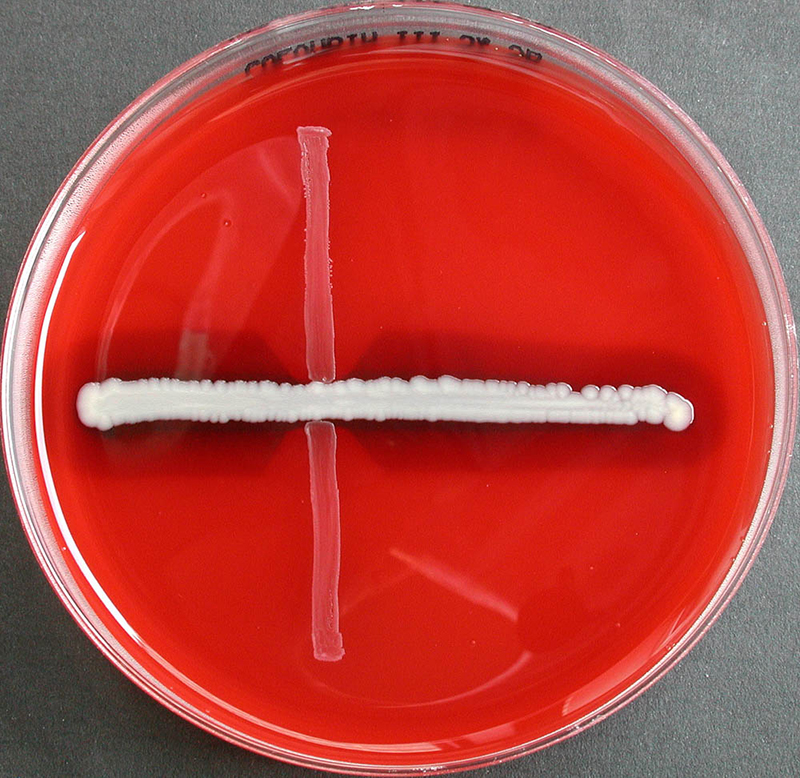
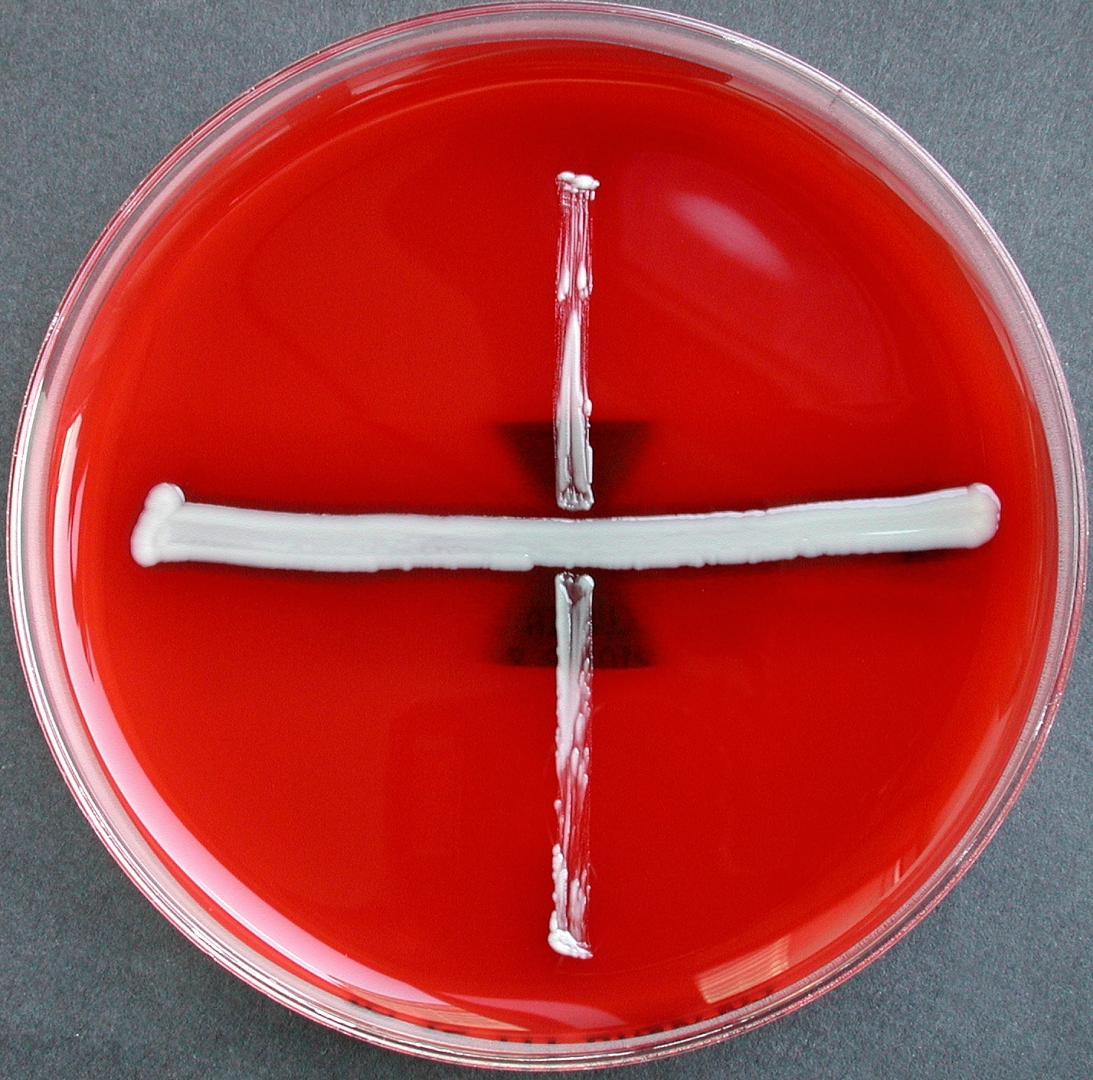
♦ Revers CAMP test It can be used for differentiate of Clostridium perfringens from other Clostridium species. Here a CAMP-revers positive Streptococcus agalactiae is streaked in the center of sheep blood agar, and a Clostridium perfringens is streaked perpendicular to it. Following incubation at 37ºC for 24-48 hours in anaerobic conditions, an "arrowhead" hemolysis is seen between the growth of Clostridium perfringens and Streptococcus agalactiae. This is because of alpha t…

CAMP-test_Streptococcus agalactiae

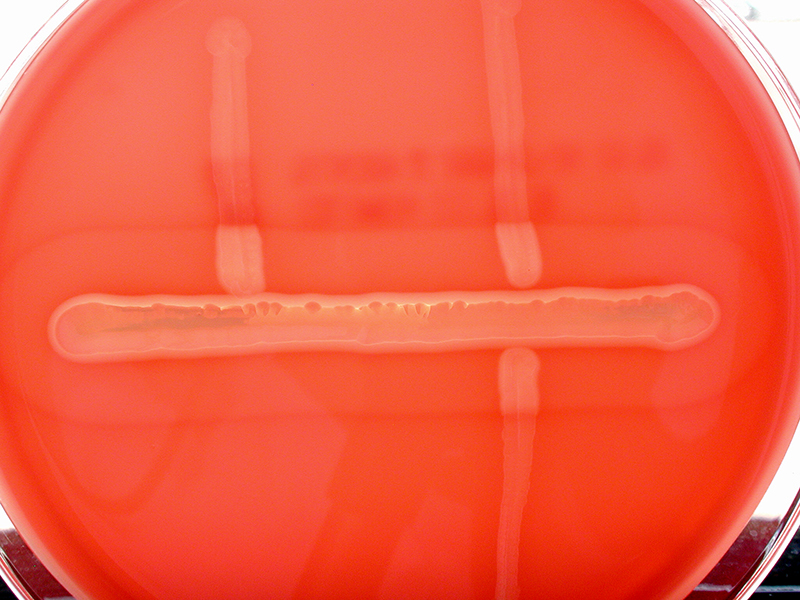
Streptococcus agalactiae is CAMP-test positive. The test is carried out by streaking a beta-hemolysis producing Staphylococcus aureus (ATCC 25923) strain and Streptococcus agalactiae parallel to each other on a blood agar plate. Suspect cultures are streaked at right angles in between (but not touching) the two streakes. Hemolysis by Streptococcus agalactiae is enhanced in the vicinity of S. aureus.

CAMP-test_Actinomyces neuii subsp neuii

Actinomyces neuii subsp neuii is CAMP-test positive. The test is carried out by streaking a beta-hemolysis producing Staphylococcus aureus (ATCC 25923) strain and Actinomyces neuii subsp neuii parallel to each other on a blood agar plate. Suspect cultures are streaked at right angles in between (but not touching) the two streakes. Hemolysis by A. neuii subsp neuii is enhanced in the vicinity of S. aureus.

CAMP-test_Listeria monocytogenes & L. ivanovii

The CAMP-test can be used to differentiate among hemolytic Listeria species. The test is carried out by streaking a beta-hemolysis producing Staphylococcus aureus (ATCC 25923) strain and Rhodococcus equi parallel to each other on a blood agar plate. Suspect cultures are streaked at right angles in between (but not touching) the two streakes. Hemolysis by L. monocytogenes and to a lesser degree L. seeligeri is enhanced in the vicinity of S. aureus, and hemolysis by L. ivanovii is enhanced in the …

Satellitism test_Haemophilus influenzae

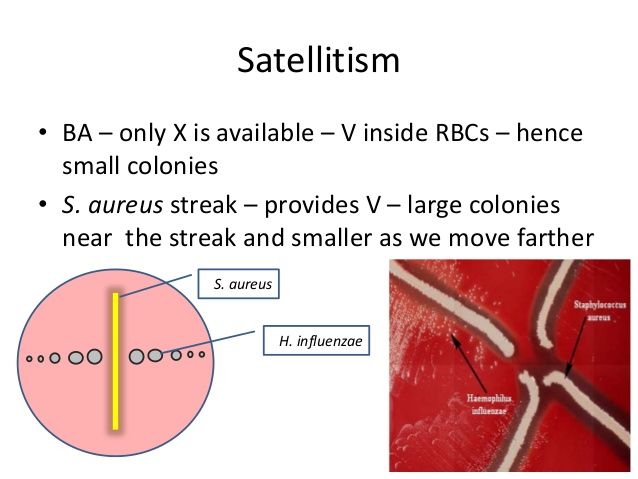
Most strains of Haemophilus spp does not grow on 5% Sheep Blood Agar, which contains hemin (factor X) but lacks NAD (factor V). Staphylococcus aureus produce NAD as a metabolic byproduct when grow in a culture media containing blood . Therefore, Haemophilus spp may grow on sheep blood agar very close to the colonies of Staphylococcus aureus (as it produces NAD-factor V); this phenomenon is known as satelliting. Why Haemophilus needs X and V Factor? Haemophilus influenzae uses factor X to produce…

Pyrase test

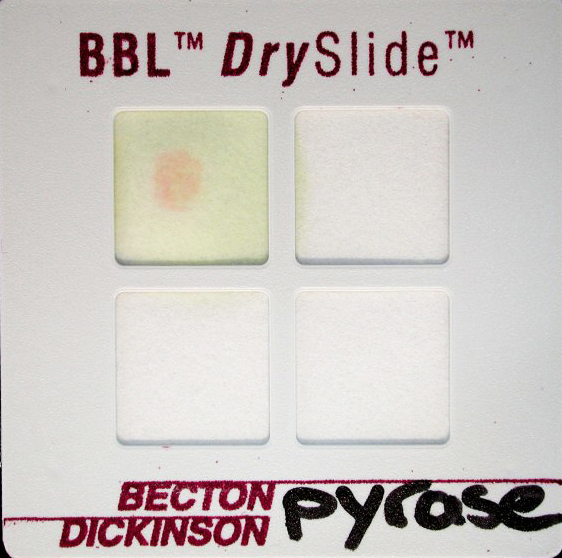
Pyrase / BBL™ DrySlide Pyrrolidonyl Arylamidase (PYR) test is a rapid test which is used for the presumptive identification of group A beta-hemolytic Streptococci and Enterococci. The substrate for the PYR test is L-naphtylamide-ß-naphtylamide wich is hydrolyzed by a specific bacterial enzyme. Hydrolysis of the substrate by this enzyme releases free ß-naphtylamide, which is detected by the addition of N,N-dimethylaminocinnamaldehyde. This detection reagent couples with the naph…

Medusa head

Colonies are suspicious for Bacillus anthracis / Bacillus cereus, if they posses a so called "Medusa head". Curl-like projections from the colonie edge. Bacillus anthracis: non-hemolytic Ballus cereus: hemolytic

Optochin test

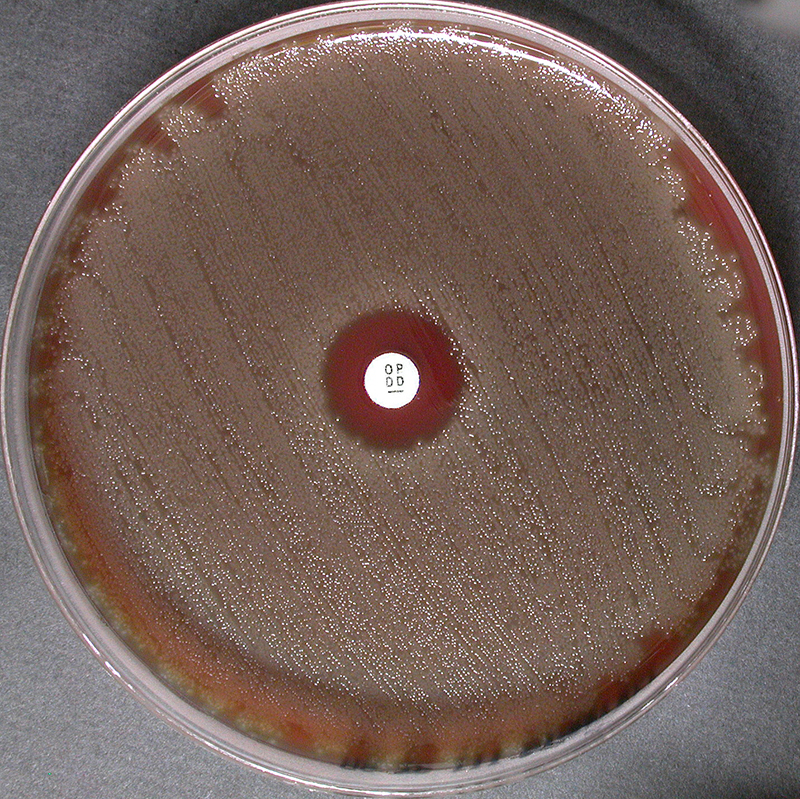
Streptococcus pneumoniae strains are sensitive to the chemical optochin (ethylhydrocupreine hydrochloride). Optochin sensitivity allows for the presumptive identification of alpha-hemolytic streptococci as S. pneumoniae, although some pneumococcal strains are optochin-resistant. Other alpha-hemolytic streptococcal species are optochin-resistant. Optochin The growth of bacteria that are optochin-sensitive will show a zone of inhibition around a optochin disc, while the growth of bacteria that are…

Oxidase test

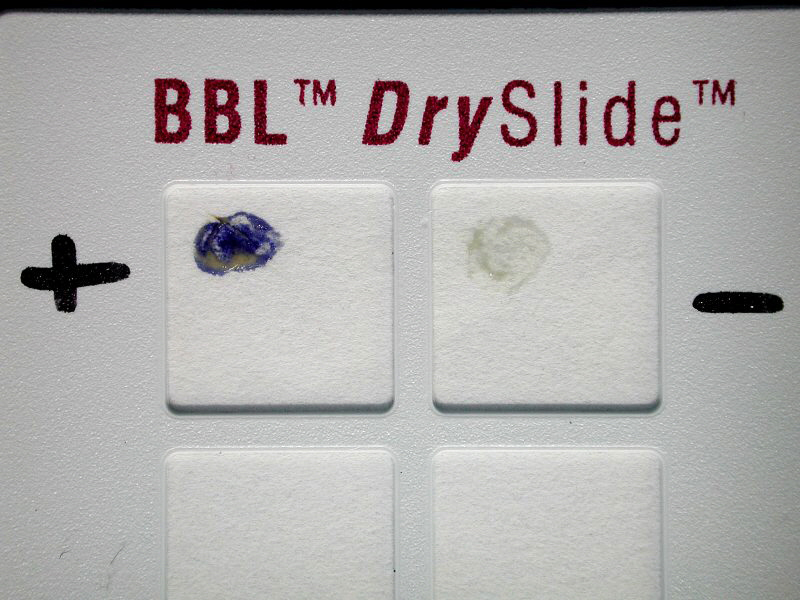
The oxidase test is used to identify bacteria that produce cytochrome c oxidase, an enzyme of the bacterial electron transport chain. When present, the cytochrome c oxidase oxidizes the reagent (teramethyl-p-phenylenediamine) to (indophenols) purple color end product. When the ezymes is not present, the reagent remains reduced and is colorless. Expected results of oxidase test 1. Positive: Development of dark purple clor (indophenols) within 10 seconds. 2. Negative: Absence of color. Strains may…

Nitrocefin DrySlide™

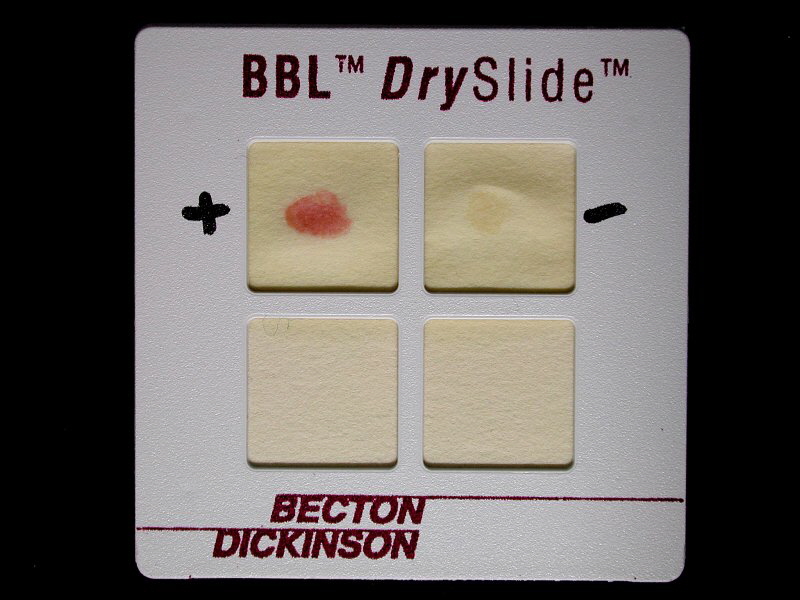
Beta-lactamase (ß-lactamases) are enzymes produced by bacteria that provide multi-resistance to ß-lactam antibiotics such as penicillin, cephamycins. Beta-lactamase provides antibiotic resistance by breaking the antibiotics structure. These antibiotics all have a common element in their molecular structure: a four-atom ring known as a ß-lactam. Through hydrolysis, the lactamase enzyme breaks the ß-lactam ring open, deactivating the molecule's antibacterial properties.

Granules_Aggregatibacter actinomycetemcomitans

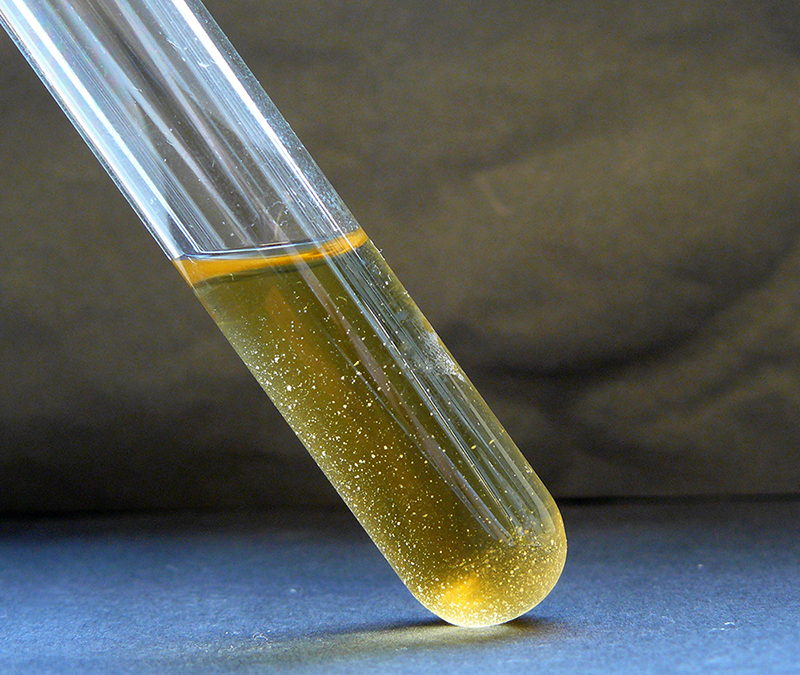
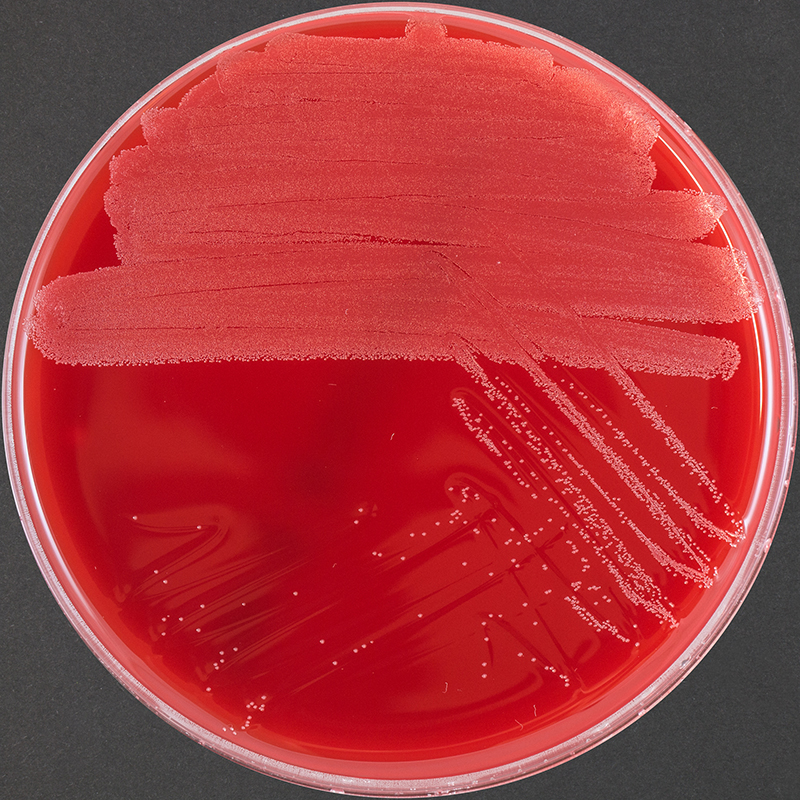
In liquid media, the colonies form granules that adhere to the side of the tube. Aggregatibacter actinomycetemcomitans is a gram-negative, fastidious, coccoid or rod-shaped bacillus. It can grow aerobically, and capnophilic. In culture, Aggregatibacter actinomycetemcomitans produces small colonies (0.5-3.0 mm in diameter) after about 38-72 hours of incubation on blood agar, with subsequent growth into a star-like structure with pitting of the agar medium. SEE WEBSITE Aggregatibacter actinomycete…

Lipophylic Corynebacteria

Lipophylic Lipophilic Corynebacteria are gram positive, catalase positive, aerobic or facultative anaerobic, mostly non-motile rods. They are mostly an opportunistic pathogen, commonly colonizes in the skin, especially in immunocompromised hosts. They are multidrug-resistant bacteria. Lipophilic Corynebacteria growth is generally enhanced by the presence of lipids. (olive oil)

Motility_Listeria monocytogenes_semi solid media

Motility testing Listeria monocytogenes motile à 28oC 1-5 peritrichous flagella less to no motile à 37oC This bacterium exhibits characteristic tumbling motility when viewed with light microscopy Though L. monocytogenes is actively motile by means of peritrichous flagella at room temperature (20−25 °C), the organism does not synthesize flagella at body temperatures (37 °C) The semi-solid motility agar containing 0.2-0.4% agar is stabbed (about 1 cm). At 20-28°C, L…

Gram staining

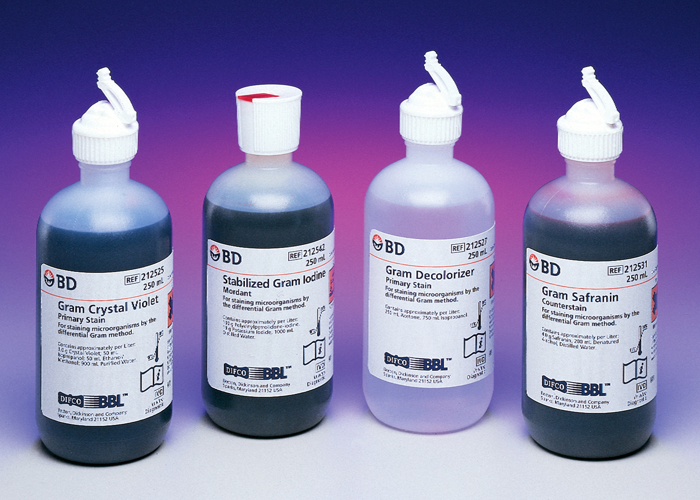
♦ Gram staining (or Gram's method) is a method of differentiating bacterial species into two large groups (gram-positive and gram-negative). The name comes from its inventor, Hans Christian Gram. Gram staining differentiates bacteria by the chemical and physical properties of their cell walls by detecting peptidoglycan, which is present in a thick layer in gram-positive bacteria. In a Gram stain test, gram-positive bacteria retain the crystal violet dye, while a counterstain (commonly …

Catalase

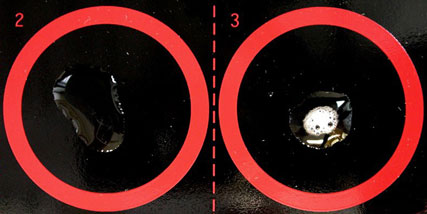
Catalase is an enzyme present in most of the organisms. The catalase test is to identify species of bacteria. The presence of catalase enzyme in the test isolate is detected using hydrogen peroxide. If the bacteria possess catalase, when a small amount of bacterial isolate is added to hydrogen peroxide, bubbles of oxygen are observed. 2H2O2 –catalase–> 2H2O + O2 The catalase test is done by placing a drop of hydrogen peroxide on a microscope slide. Using an applicator stick, a sci…

Microbiology on the go. An initiative by

Dept. Medical Microbiology and Infectious diseases

Privacy Policy Cookie Policy Disclaimer Contact us Cookie Settings