

Edvard Munch
Dec. 12, 1863, Løten – Jan. 23, 1944, Oslo, Norway
Whether Munch painted landscapes, portraits, mythological subjects, or workers returning from work, and whether his colors were dark or light, his work always expresses fear, death, and love.
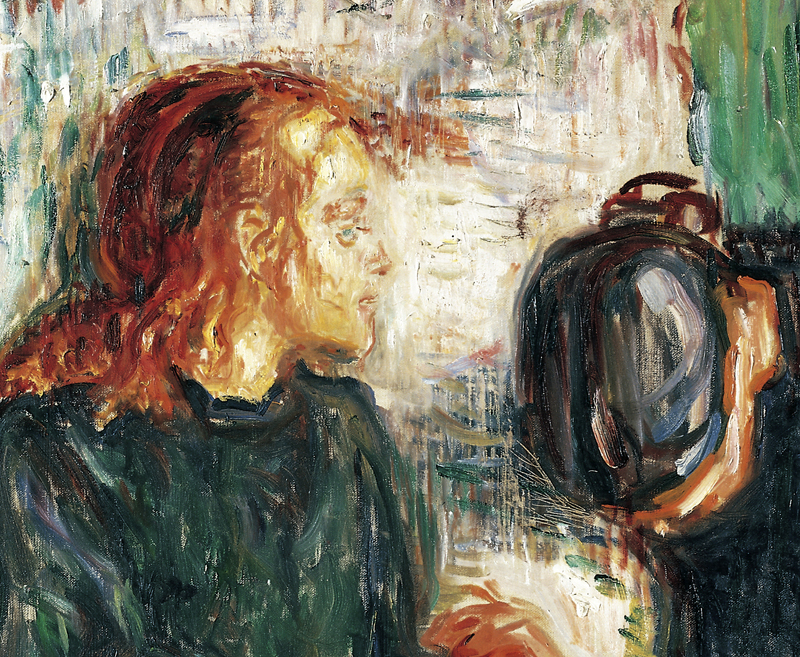
♦ The sick child (1885) ♦
♦ Diagnosis:
Main symptoms: Exhausted adolescent, pale complexion, vacant stare
Secondary symptoms: 15-year-old girl, distraught mother, family history of tuberculosis
Clinical diagnosis: Consumption (tuberculosis), end-stage (pulmonary) tuberculosis
♦ Definition: ftisis
An old term for tuberculosis, particularly pulmonary tuberculosis, a disease characterized by exhaustion and loss of strength, especially in cases of lung disease.
♦ Discussion:
Edvard Munch was born in 1863 in Christiana, which at the time was still part of Sweden but is now the Norwegian capital, Oslo. His father was an army doctor who also ran a private practice in a working-class neighborhood in Oslo. God-fearing and devout as he was, he raised his five children with puritanical strictness. The doctor’s house was a place filled with piety, illness, and death.
Edvard was 5 years old when his mother died of tuberculosis. His favorite sister, Sophie, also died of the disease when she was only 15. In those days, people didn’t die in a hospital, but at home, surrounded by their family, with all the difficulties and hardships that entailed. Laura, Edvard’s other sister, was mentally ill and died in an institution. When his father also died, young Edvard was still far too young to take care of himself.
Munch sought to escape that suffocating atmosphere through his drawings and paintings. Through his art, he also battled his own illnesses. He suffered from bronchitis, rheumatism, and nervous exhaustion. He struggled with alcoholism until 1909 and was extremely paranoid until his death. He felt persecuted, particularly by friends and women. Whenever he fell in love, he was always paranoid and jealous. He felt that women suffocated and threatened him and were after only one thing: to rob him of his freedom.
Despite having had several romantic relationships, he never married and had no children.
“My paintings are my only children,” he once said.
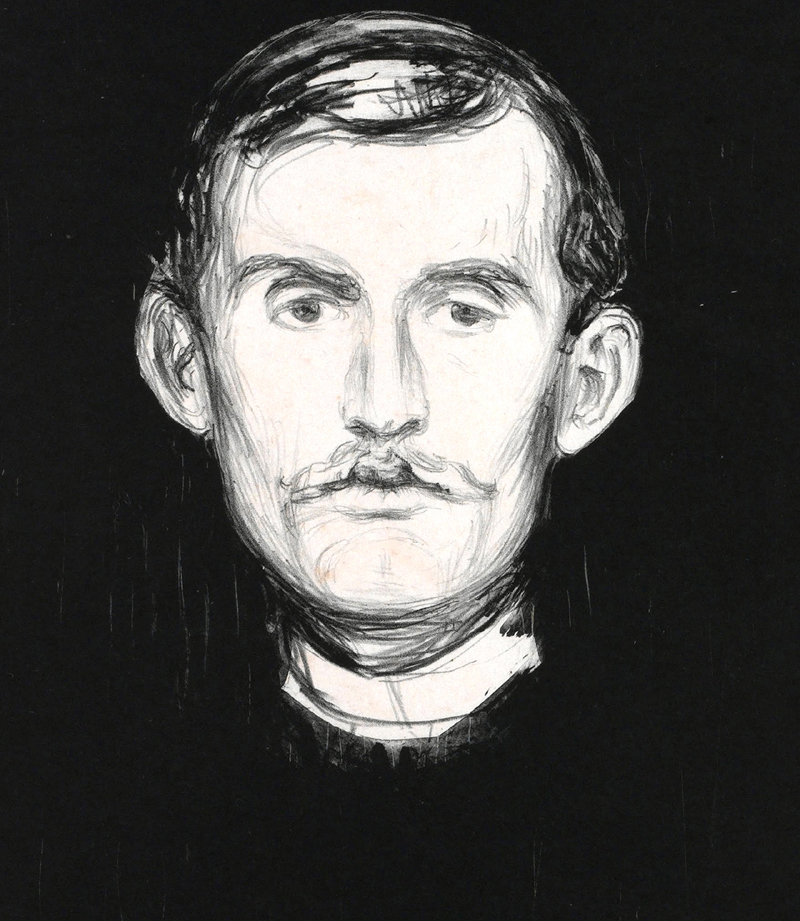
He began his artistic career with portraits of himself, his family, and his friends.
His later self-portraits had a ghostly quality, while the women in his paintings appear ethereal, resembling witches or vampires.
One of his most famous paintings, *The Sick Child* (1885), depicts the death of his sister. Munch himself regarded this painting as the foundation of his art.
The equally famous *The Scream* (1893) is considered an outstanding example of Expressionist art.
His work drew a great deal of criticism, which eventually led Munch to flee his country. He traveled throughout Europe and organized exhibitions there.
He painted, pondered, and tended to his ailments. He knew they were the source of his artistic inspiration. In his 1954 publication on famous depictions of sick children, the German pediatrician Lothar Diekmeier provided a masterful description of Munch’s “The Sick Child,” which we reproduce here in its entirety:
Seated upright on her sickbed is the 12- to 14-year-old girl, her head with its reddish-blonde hair sharply in profile, the gaze from her large, haloed eyes fixed and indifferent on the window. Resigned and already freed from all her unhappy experiences, she lies there, powerless. Her pale hand rests limply on the blanket, underscoring her total resignation in the face of the fatal illness raging within her. The mother no longer knows how to conduct herself. She weeps only quietly within herself and checks only with a reflexive touch whether her child is still alive. Everything about her radiates such despair that the expression of her posture and her gestures move the viewer more deeply than the sight of her child, who has almost been torn from her.
How stark, harsh, and heavy those colors are; how astonishing the simplification of the forms.
How authentic and devoid of any sentimentality the design of the entire work is.
If it is true, as it were, that every era in art history has depicted the maladies of its own time, one can only think here of “tuberculosis” or, more precisely, “adolescent tuberculosis.”
People stand there in shock, staring at these two people, and eventually turn away, as if they were real, flesh-and-blood human beings. After all, nothing can save this girl now, and no one is able to comfort the mother as she loses what may be her only child—a tragedy unfolding right before our eyes.
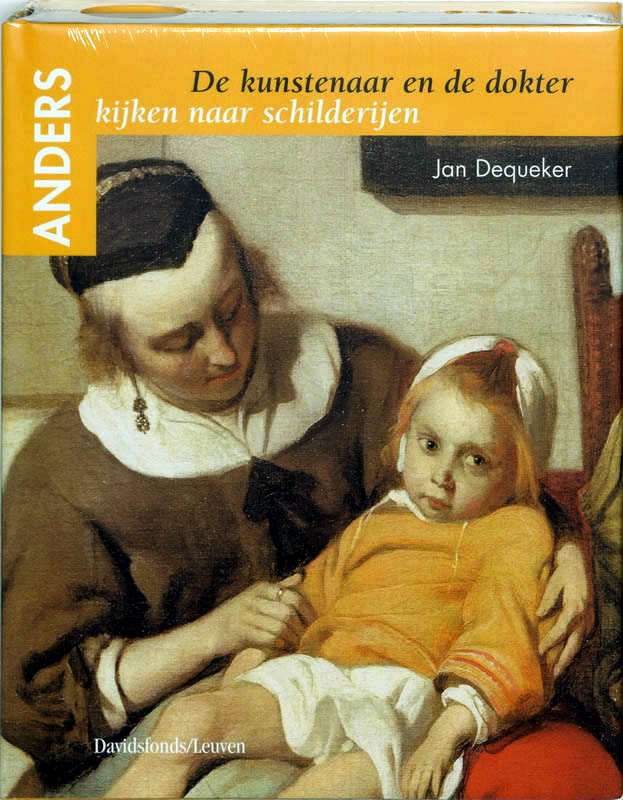
Source: Jan Dequeker
♦ Pulmonary tuberculosis
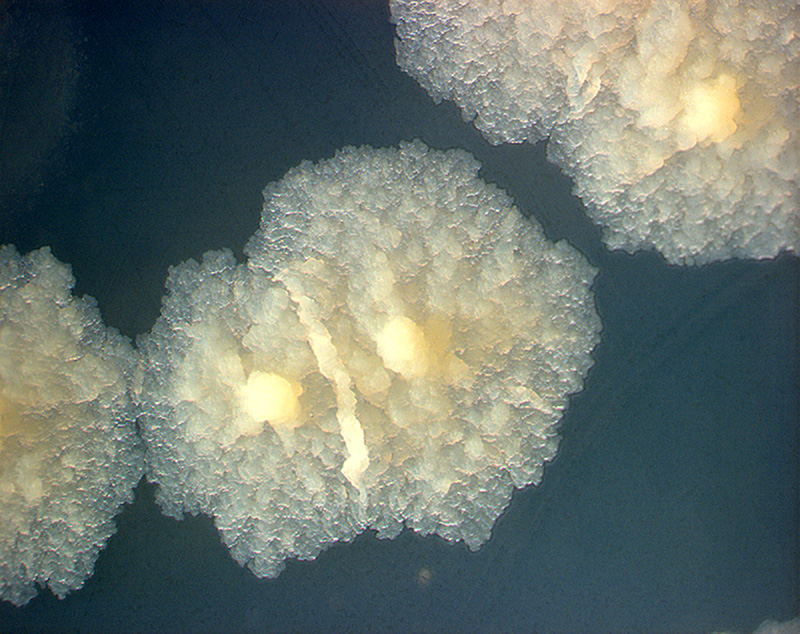
Is It is an infectious disease caused by the bacterium Mycobacterium tuberculosis.
Any part of the body can be affected, but the lungs are usually the ones that become infected.
Pulmonary tuberculosis is most common in densely populated countries such as China and India, as well as in sub-Saharan African countries, Indonesia, the Philippines, Afghanistan, Bolivia, and Peru. The number of cases of pulmonary tuberculosis in North America and Western Europe declined for a time, but in recent years there has been a resurgence. This is partly attributed to the fact that more and more people are traveling abroad, allowing the infection to spread to areas where tuberculosis was previously rare.
Another factor underlying this increase is the rising number of AIDS cases.
♦ Cause
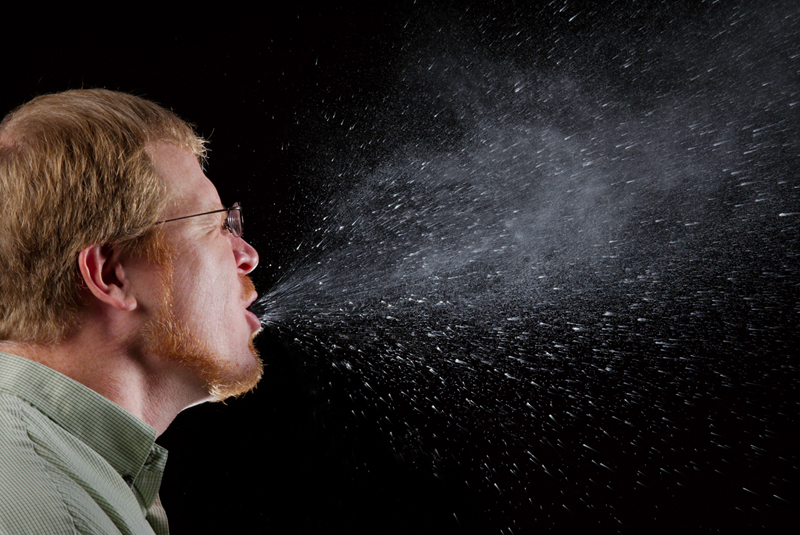
Transmission occurs primarily from person to person, through tiny droplets released into the air when an infected person sneezes, coughs, or spits. Friends, family members, and coworkers of an infected person are at the highest risk of infection.
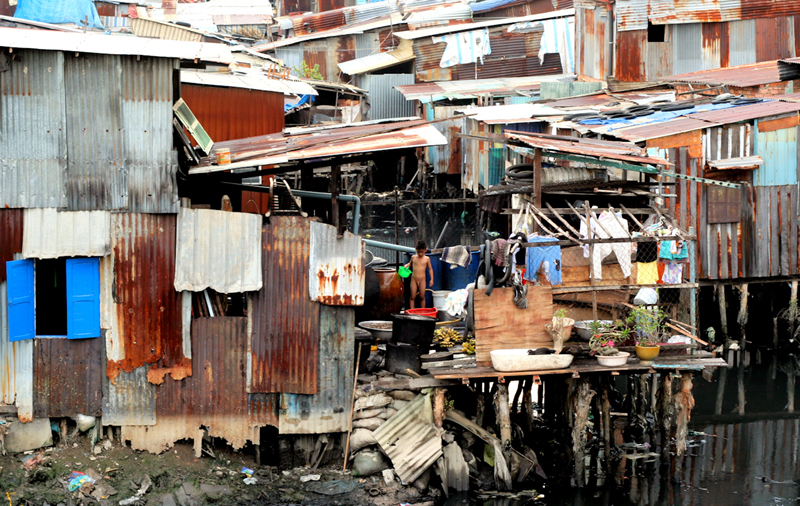
People with weakened immune systems are also at increased risk, as are young children and the elderly. Furthermore, the condition is relatively common among people living in poor socioeconomic conditions; other risk factors include poor housing conditions, poverty, overcrowding, an unbalanced diet, a housing shortage, and inadequate healthcare.
Alcohol abuse and smoking can also increase the risk of pulmonary tuberculosis.
♦ Symptoms
The main symptom of pulmonary tuberculosis is a cough: initially a dry cough, but over time more phlegm is coughed up, which may contain traces of blood. Bleeding may also occur. At first, the patient may have a mild fever, but as the illness progresses, the fever rises, especially in the evening. There is also significant weight loss, and the patient may wake up at night drenched in sweat.
Other symptoms that may occur with pulmonary tuberculosis include shortness of breath, fatigue, general weakness, and a feeling of tightness and/or pain in the chest.
♦ Diagnosis
The diagnosis of pulmonary tuberculosis is initially based on the patient’s symptoms and a physical examination. A skin test, known as the Mantoux test, is performed, in which a purified protein derivative (tuberculin) is injected into the skin. However, this test does not distinguish between an active infection (which is accompanied by symptoms) and a latent infection (which causes no symptoms).
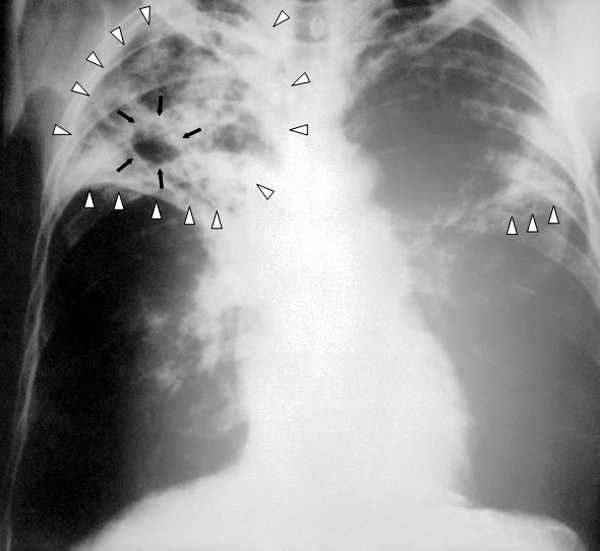
Chest X-rays are of great importance for the diagnosis of pulmonary tuberculosis.
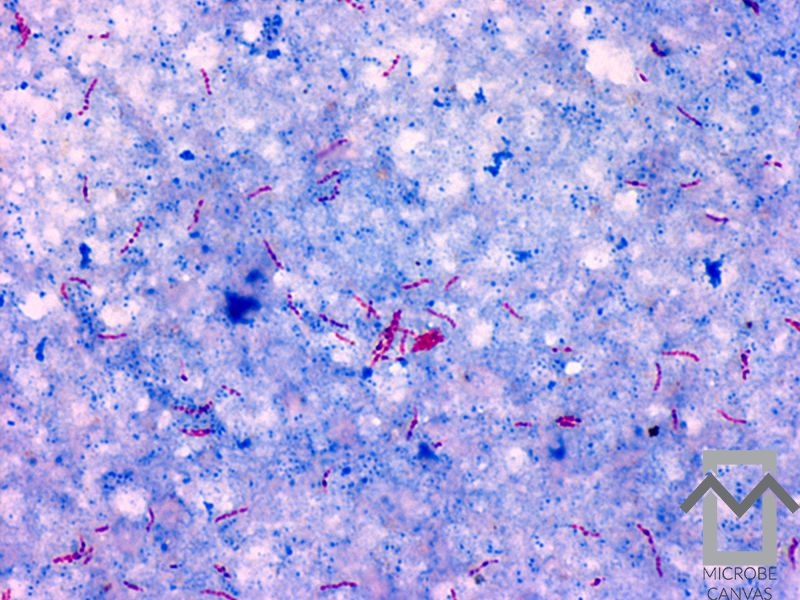
The diagnosis can be confirmed when the bacterium is identified during microscopic examination of sputum or in a culture of saliva or sputum.
♦ Treatment
The treatment of pulmonary tuberculosis is based on a combination of two or three drugs to prevent the bacteria from becoming resistant to the medications and to enhance their effectiveness at the same time. The duration of treatment ranges from six to twelve months, depending on how the patient responds to it.
♦ Complications
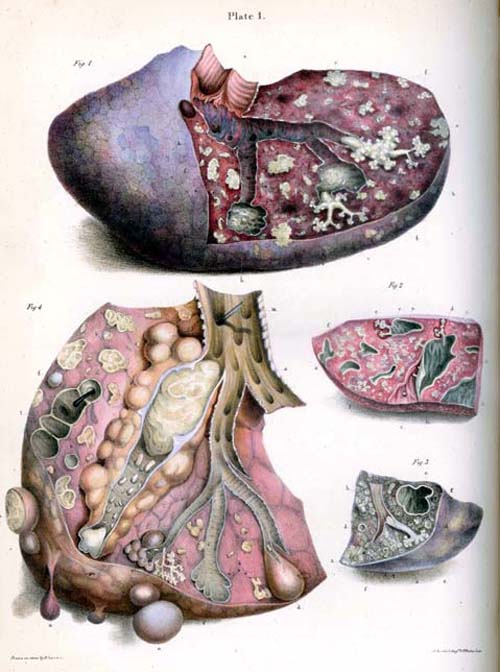
Pulmonary tuberculosis can cause permanent damage to the lungs. The medications used to treat it can cause side effects. Over time, the bacteria may also become resistant to these medications, especially if they are not taken as prescribed or if treatment is stopped too soon. Tuberculosis can affect almost any organ in the body, not just the lungs.
♦ Prevention
Improving social factors and living conditions helps prevent tuberculosis. Specific prevention can be achieved through BCG vaccination: this vaccine is particularly effective in infants and children.
Early detection and treatment of infected individuals help prevent the spread of the infection. Infected individuals should be isolated in specially ventilated rooms for as long as they remain contagious.

Pulmonary tuberculosis
References
Jan Dequeker_The Artist and the Doctor
Manual of Clinical Microbiology_Murray- 9th edition
ErasmusMC_MMIZ_Rotterdam
Loes van Damme
Photos
wikimedia.org
.jpg)