



Phineas Gage
In 1848, 25-year-old Phineas Gage had an iron rod pass through his head, completely changing his personality. His story advanced the field of neurology and even inspired Sigmund Freud. What happened to Phineas Gage was the first documented case of the effects of severe brain injury.
His story influenced neurology, as it highlighted how crucial the brain is for our thoughts, behavior, and personality
♦ Rod pierces the brain
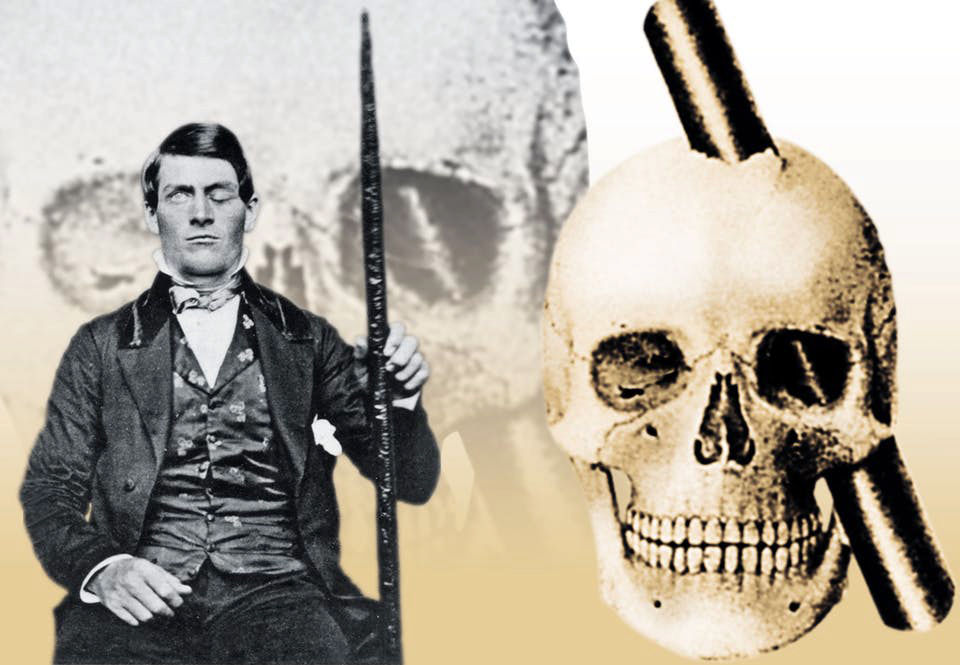
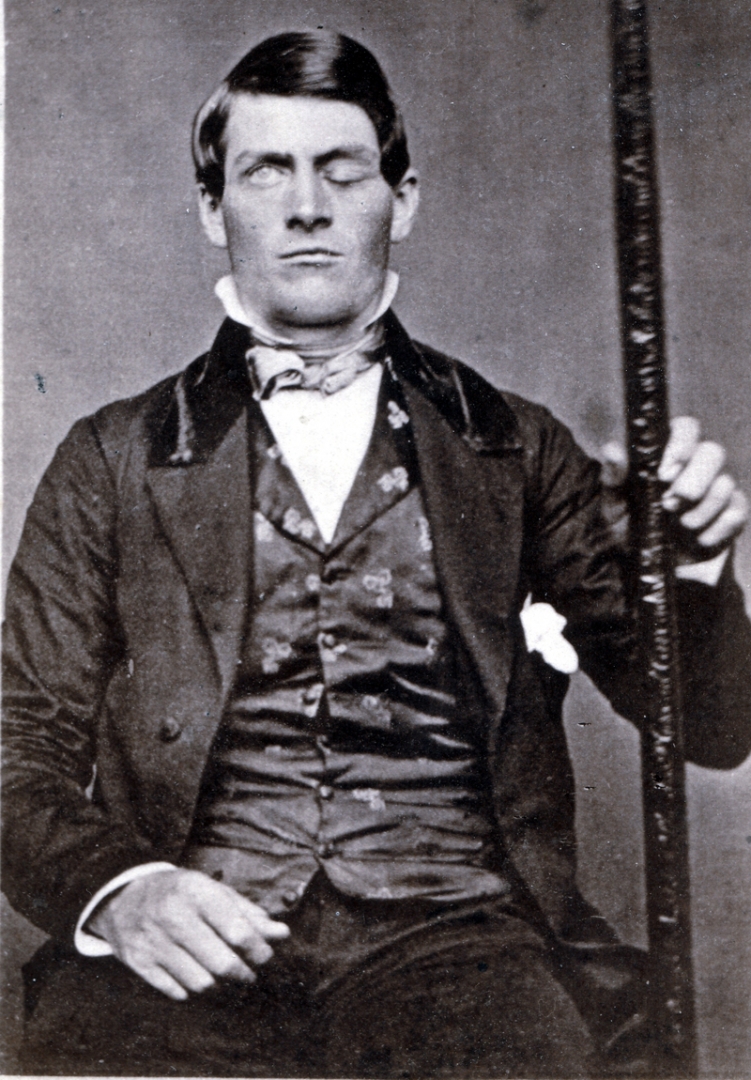
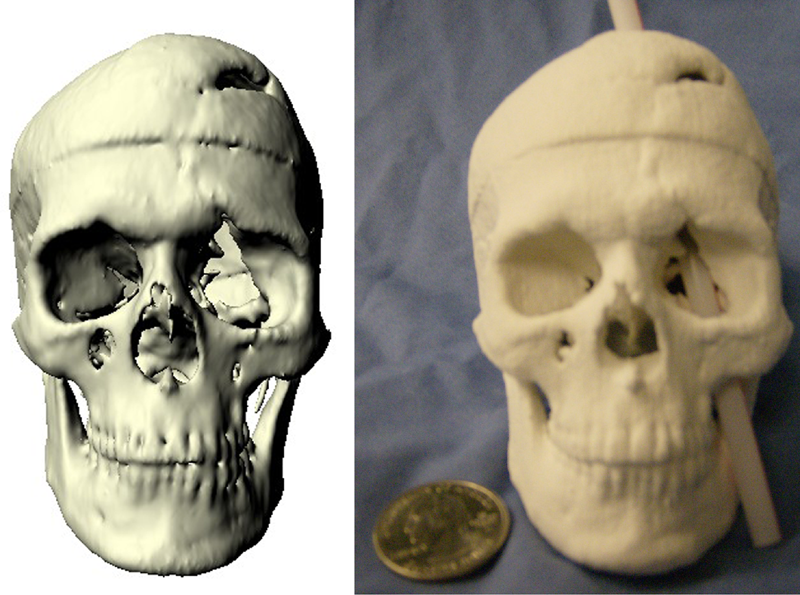
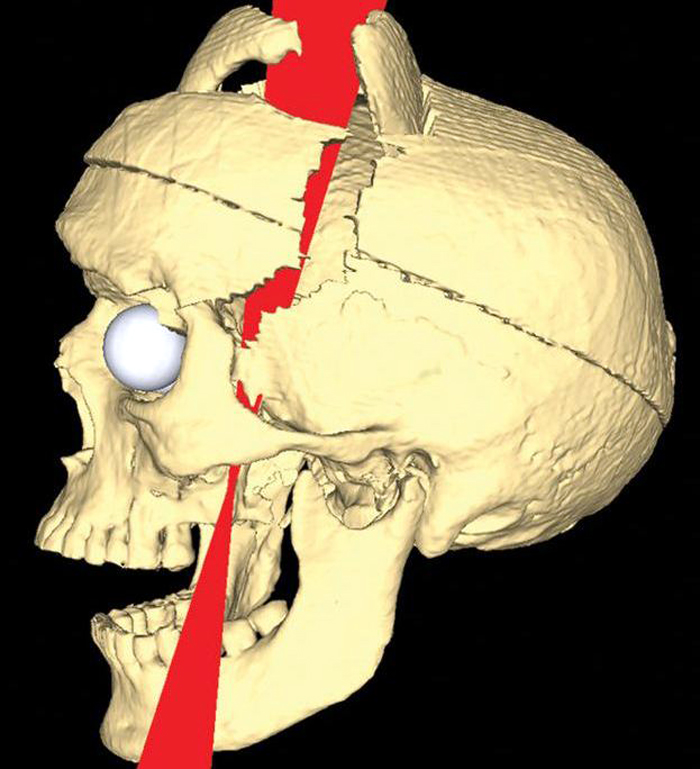
On September 13, 1848, while working as a foreman supervising a team of laborers building a railroad near the village of Cavendish in the U.S., Gage took it upon himself to blast a rock. The men had drilled a hole in the rock, which Gage filled with gunpowder. Using a sturdy iron rod, over a meter long and three centimeters thick, he tamped down the powder. Suddenly, the gunpowder exploded, and the rod was shot out of the hole like a projectile. Gage was bent over the hole, directly in the line of fire, and the rod pierced his cheekbone just below his left eye, passed straight through his brain, and exited through the top of his skull. The rod landed about 30 meters away, covered in blood and brain tissue
Phineas Gage fell to the ground while his colleagues rushed over in horror. They assumed their foreman was dead. But soon he regained consciousness and, to everyone’s astonishment, was fully aware. After a few minutes, Gage even stood up, spoke to people, and was able to walk. The men quickly fetched a cart and took him to a doctor.
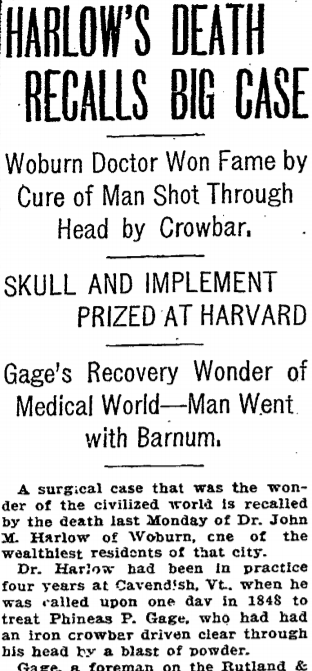
When Dr. Harlow saw the cart arriving at his practice and the excited men running inside, he could not have imagined that he would soon become part of world history
Gage was a true medical sensation: all experts and experience at the time indicated that a patient with such brain damage could never survive. The man in Dr. Harlow’s practice was, as far as we know, the first to do so
Harlow cleaned the wound, removed fragments of the skull, and covered the opening with a wet dressing. When he checked for remaining bone fragments, he found that he could insert his entire middle finger into the wound without encountering any resistance. He decided not to perform surgery but to let the wound heal naturally.
Covering the opening with a wet dressing proved to be a good decision. A few weeks after the accident, he was able to easily remove large amounts of pus that otherwise would have leaked into the brain, likely with fatal consequences
Gage recovered so well that after a few months he seemed to be leading a normal life, at least it appeared that way. Harlow wrote an article about his patient in the prestigious Boston Medical and Surgical Journal. However, it was received with great skepticism, as no one knew of a comparable case.
♦ Gage developed a different personality
Phineas Gage and John Harlow would most likely have been forgotten if the doctor had not sent another article to a medical journal 20 years later. Because of this article, Gage transformed from a medical curiosity into a milestone in the history of neurology.
Harlow had continued to follow the development of his remarkable patient. Now that Gage had died eight years earlier from epilepsy, probably as a result of his brain injury, the doctor wanted to make his groundbreaking findings known to the world: ‘His employers, who had always considered him a highly skilled foreman, were of the opinion that his personality had changed so much that they could no longer retain him,’ Harlow wrote in the article.
He became unstable, indifferent to others, and at times downright rude. He paid no attention to others and ignored any advice that went against his own wishes and needs. Sometimes he was extremely stubborn, at other times capricious and fickle. ‘He devised all sorts of plans, but as soon as one was made, he immediately abandoned it for another. His personality had changed so profoundly that, according to friends and acquaintances, Gage was no longer the same person
♦ Brain injury inspired Freud
Research on Gage’s brain showed that parts of his frontal lobes were severely damaged.
Today, a mental change like Gage’s is called a ‘frontal syndrome’ and is recognized as a common consequence of damage to that part of the brain. But in the mid-19th century, it was groundbreaking and controversial to link brain damage to personality changes.
Harlow was one of the first to demonstrate the connection between the brain and behavior. This led to a significant advance in the field of neurology
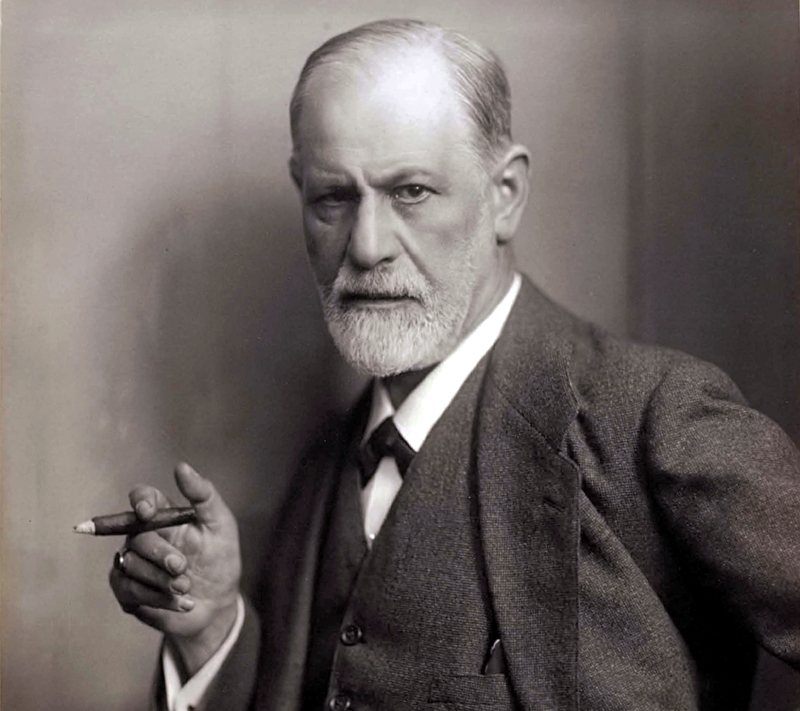
Some historians even believe that Sigmund Freud knew the story of Phineas Gage and that it inspired him to develop his psychoanalytic theory, which proposes that behavior and actions can be explained by external influences on the patient’s inner self
Source: Historia