.jpg)
Gerard Dou
Gerrit Dou, also known as Gerard Dou, (Leiden, April 7, 1613 – buried there, February 9, 1675), was a Dutch painter.
♦ The quack deceives people, and people want to be deceived.
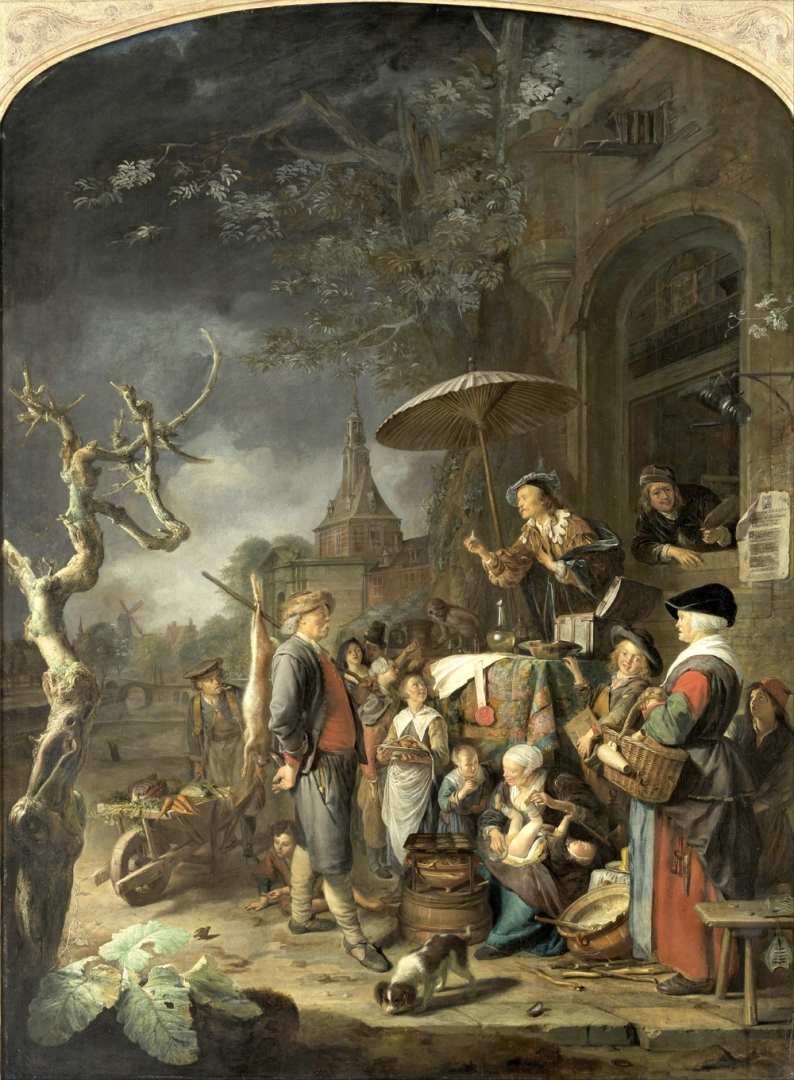
At every fair or annual market in the 17th century, there was bound to be a quack doctor, and here you can see one depicted with his audience. Everything has been carefully staged.
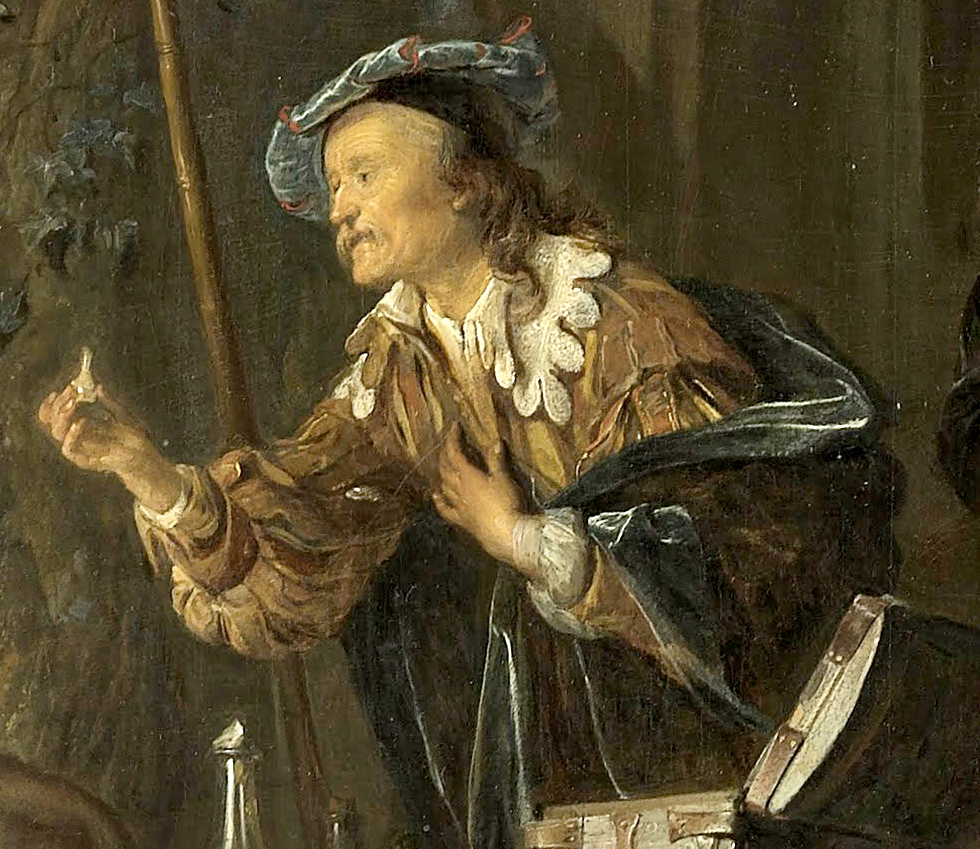
The quack doctor is dressed in a kind of velvet theater costume. He praises his wares, the undoubtedly unreliable contents of a small bottle.
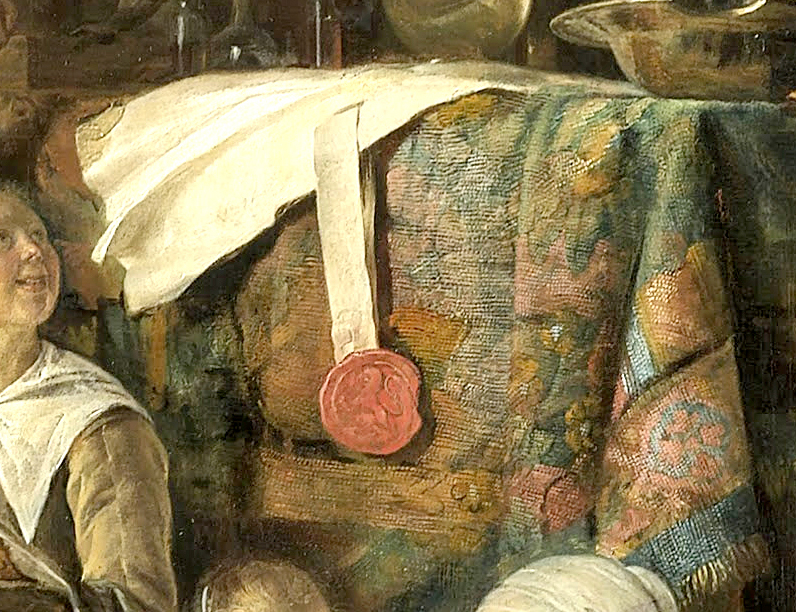
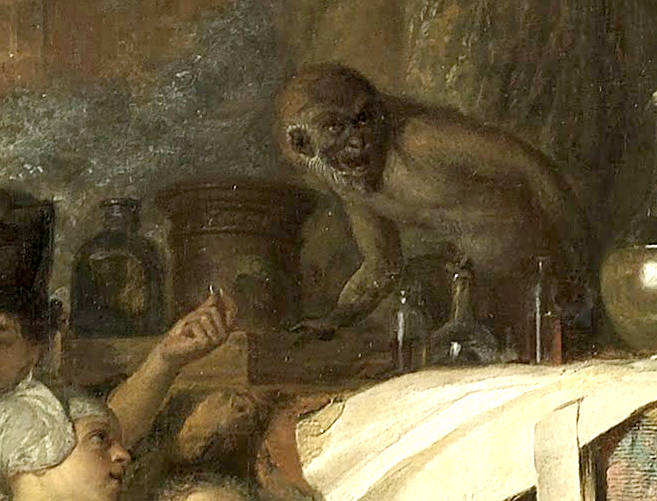
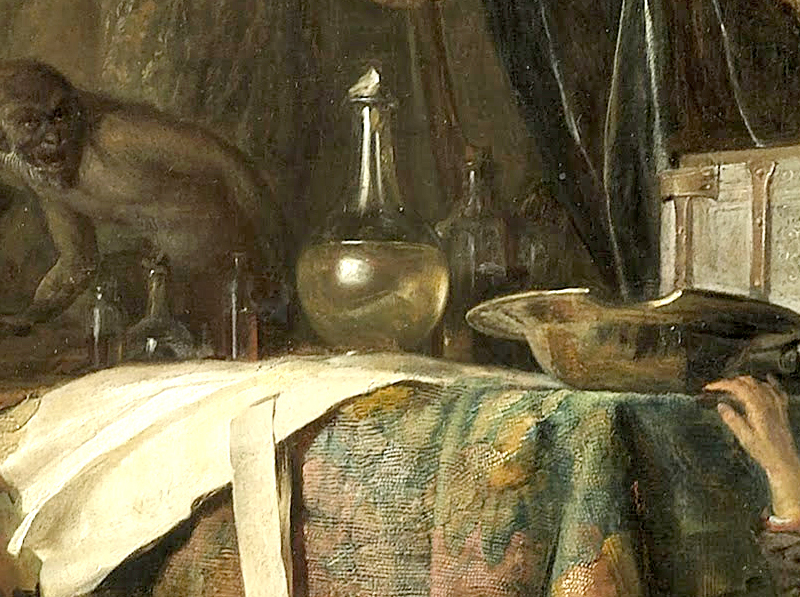
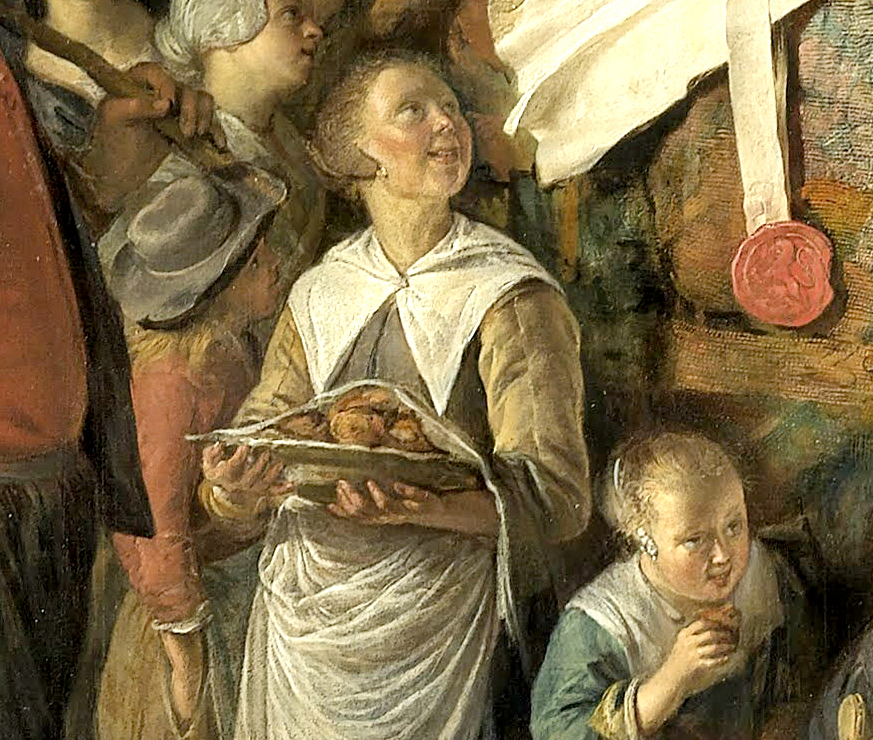
A document with a wax seal must convince people of its effectiveness. There is also a monkey on the table. The monkey symbolizes human folly.
♦ The message is: watch out, the quack is after your money, and don't let yourself be fooled.
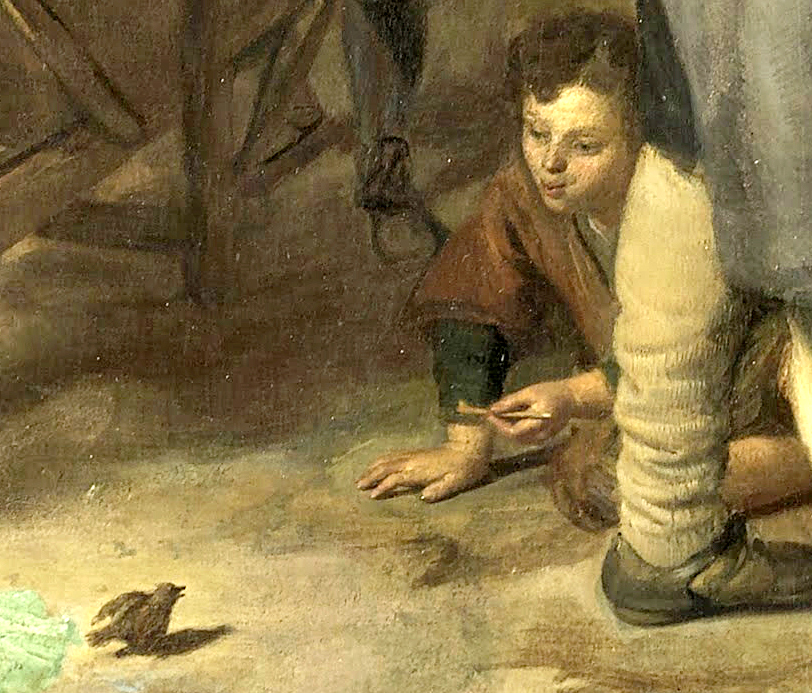
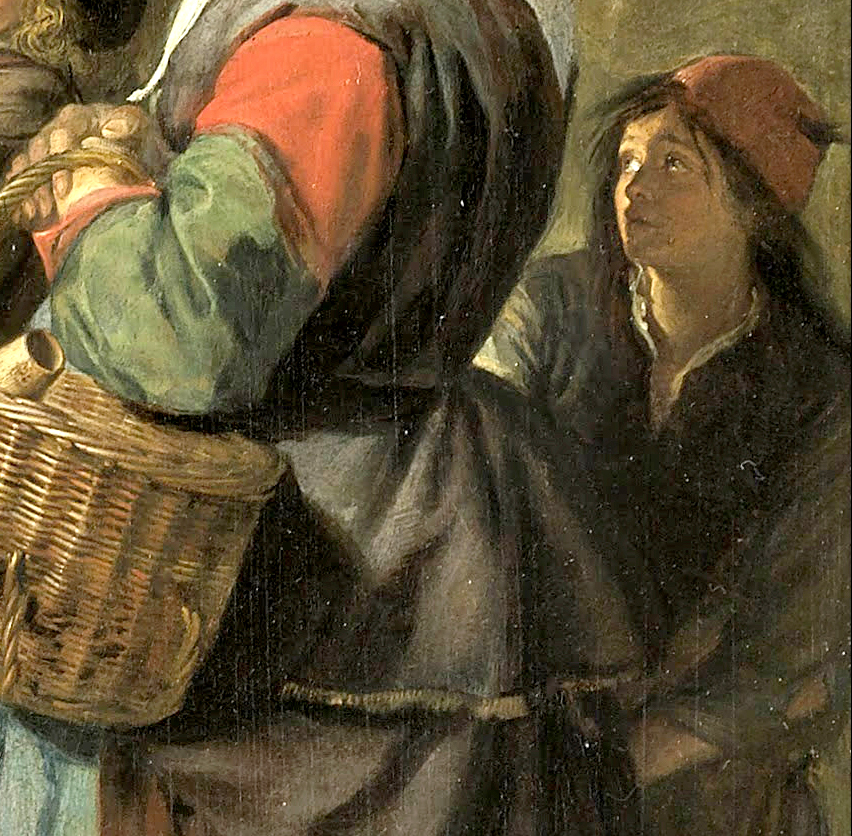
This is also depicted by the boy luring the bird, which echoes the motif of the quack doctor seducing the naive. This is an amusing portrayal of stupidity and deceit, and on the right, another boy with a shifty look is trying to steal the farmer's wife's purse.
You can also see a bottle on his table, which quacks use to test women's urine to see if they are pregnant.
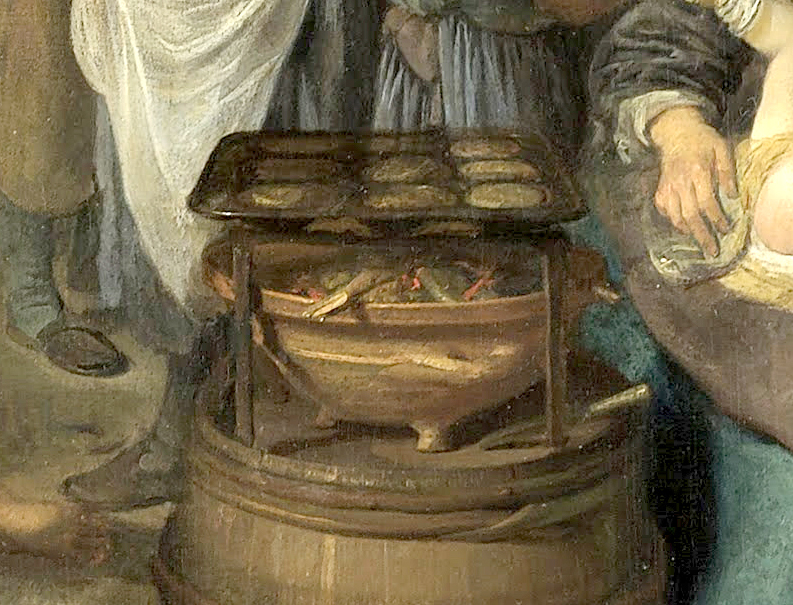
We compare the woman baking pancakes to the indigestible talk of fools, quacks, and their words.
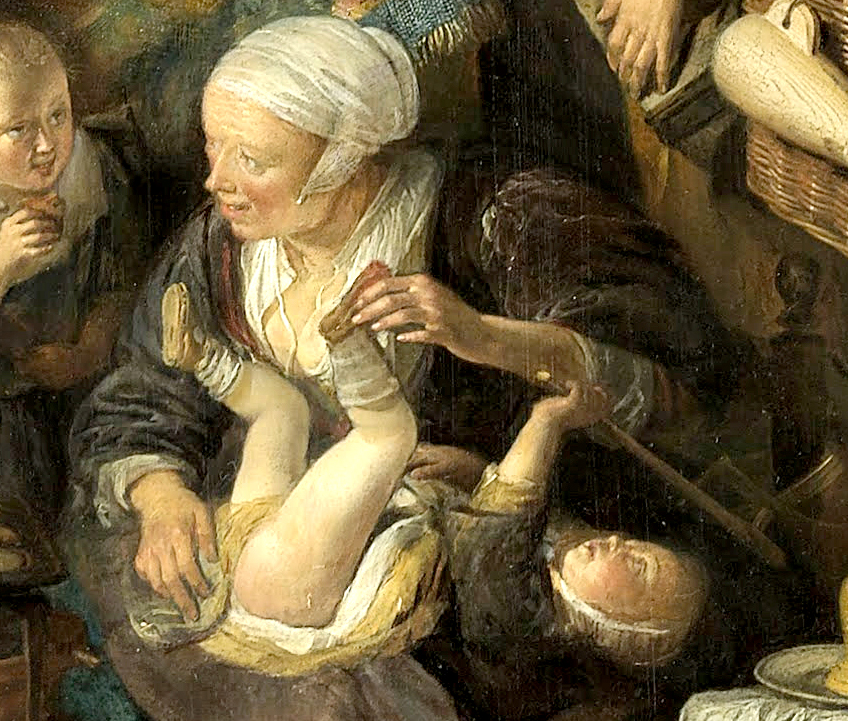
She has interrupted her work to change her child's diaper, and Dou symbolizes the everyday life that contrasts with the pomposity of the quack and his words. And for those who still don't get it: something stinks.
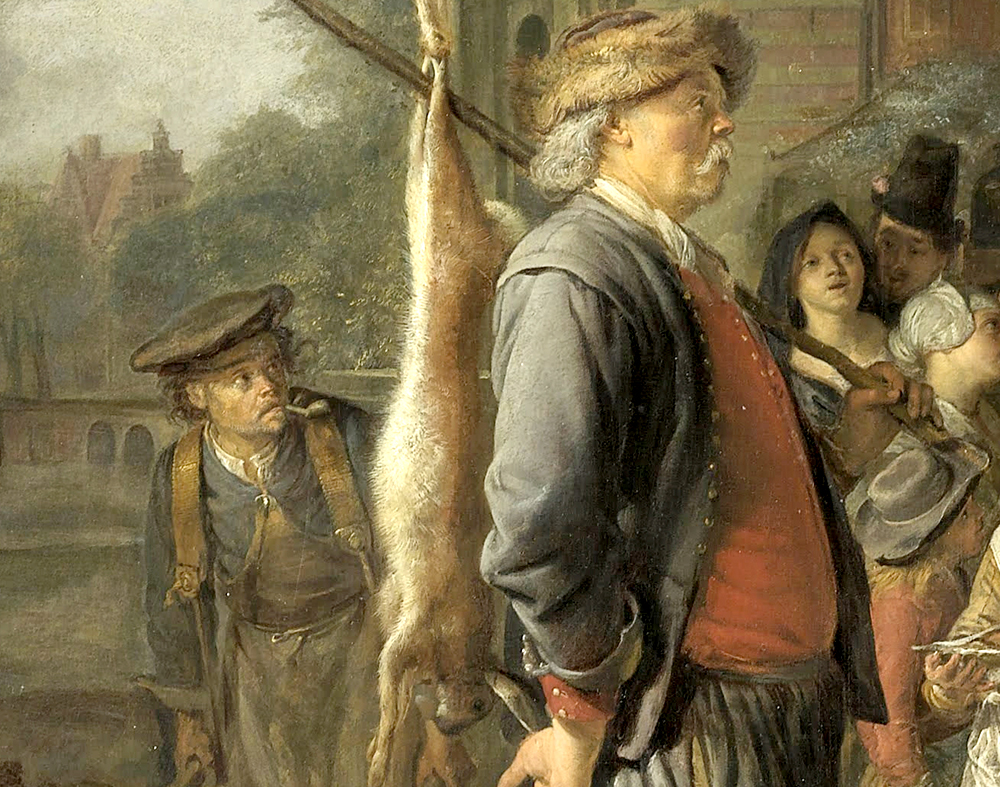
The hunter with the hare: in those days, hunters were not so strict; a symbol of debauchery and sex, he listens attentively, while a girl with a bowl of food looks up at the quack doctor with a smile.
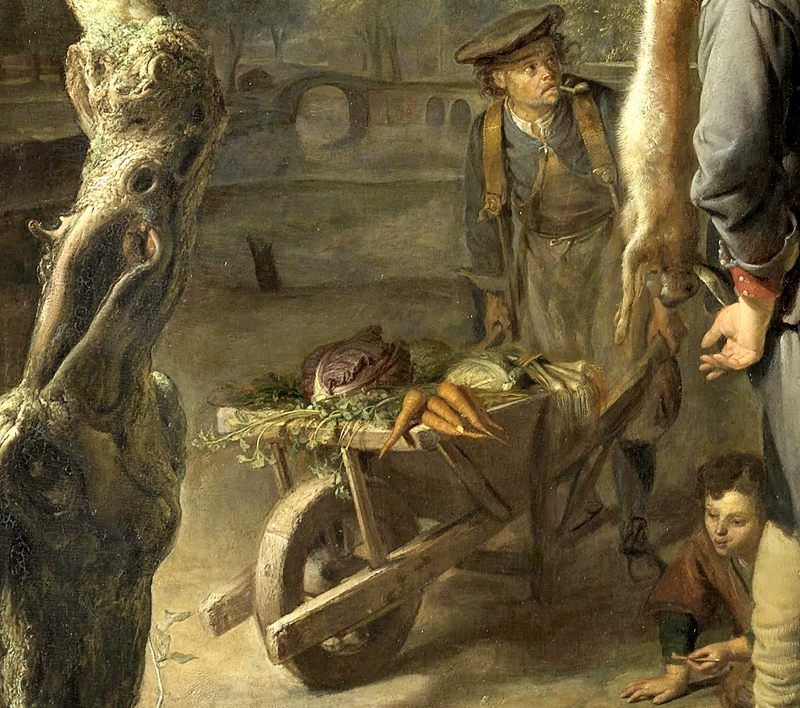
The farmer with the wheelbarrow symbolizes the right attitude to life, an active life in which hard work yields results. A farmer with a wheelbarrow full of vegetables and a pipe in his mouth looks up at the event as he passes by.
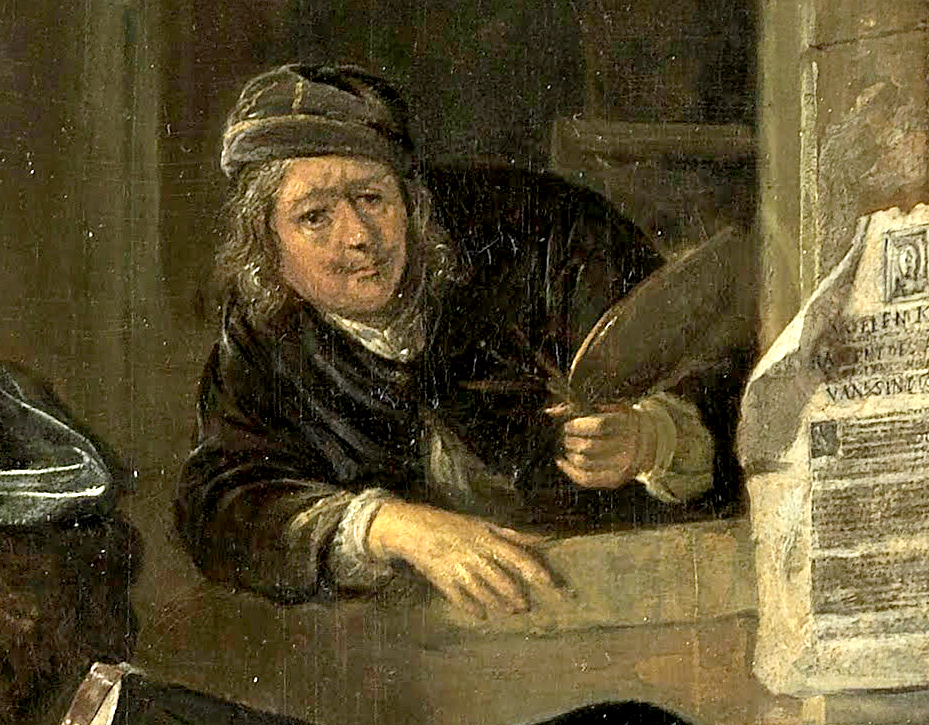
Close to the pseudo-doctor, a painter, Gerard Dou himself, leans out of the window of the house, holding a palette in his hand. The painter in the window can be seen as a counterpart to the quack; after all, he ‘deceives’ the viewer by imitating nature. But unlike the quack's wares, painting is a deception that is entertaining and, in Dou's case, can even be considered praiseworthy.
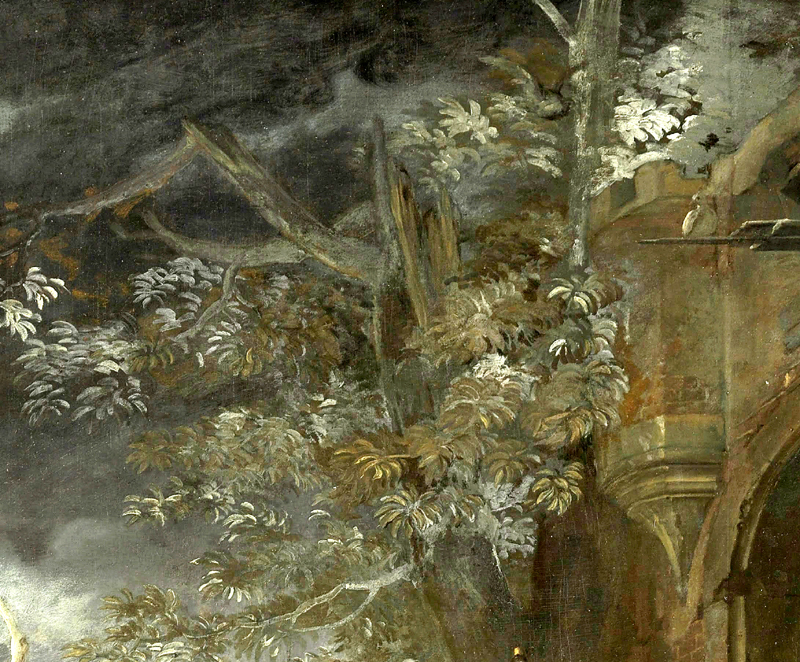
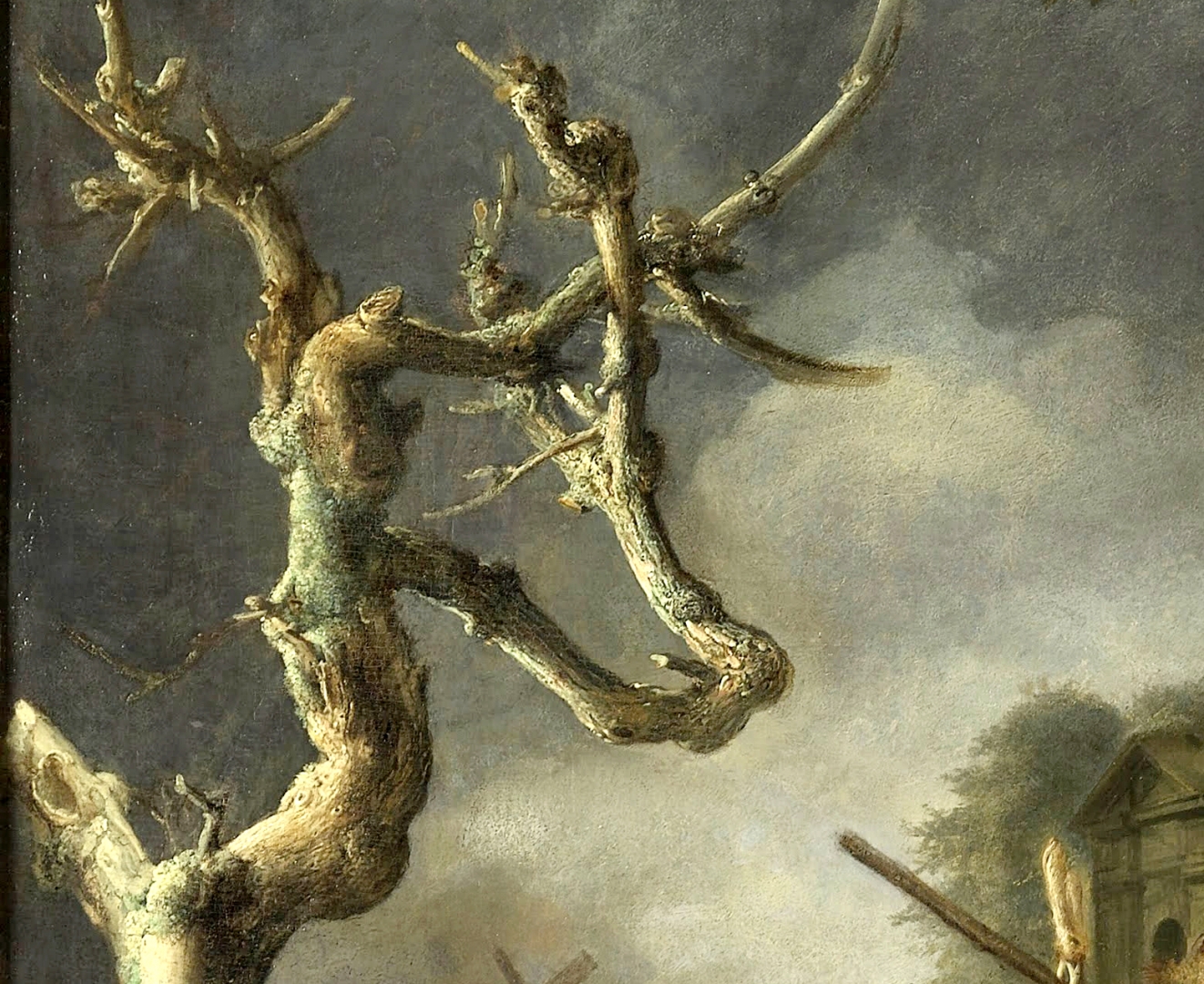
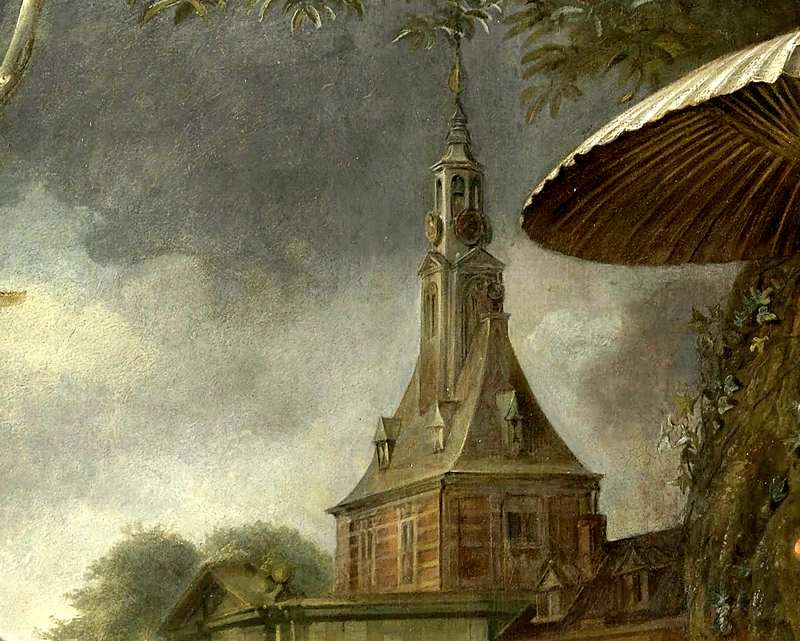
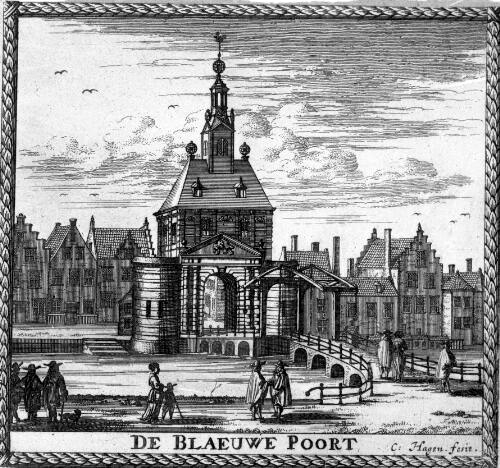
A lush tree grows next to the house, while a gnarled dead tree stands on the far left. The prominent building on the right in the cityscape in the background is Leiden's Blauwpoort.
Erik Beenker / Boijmans van Beuningen
De Collectie
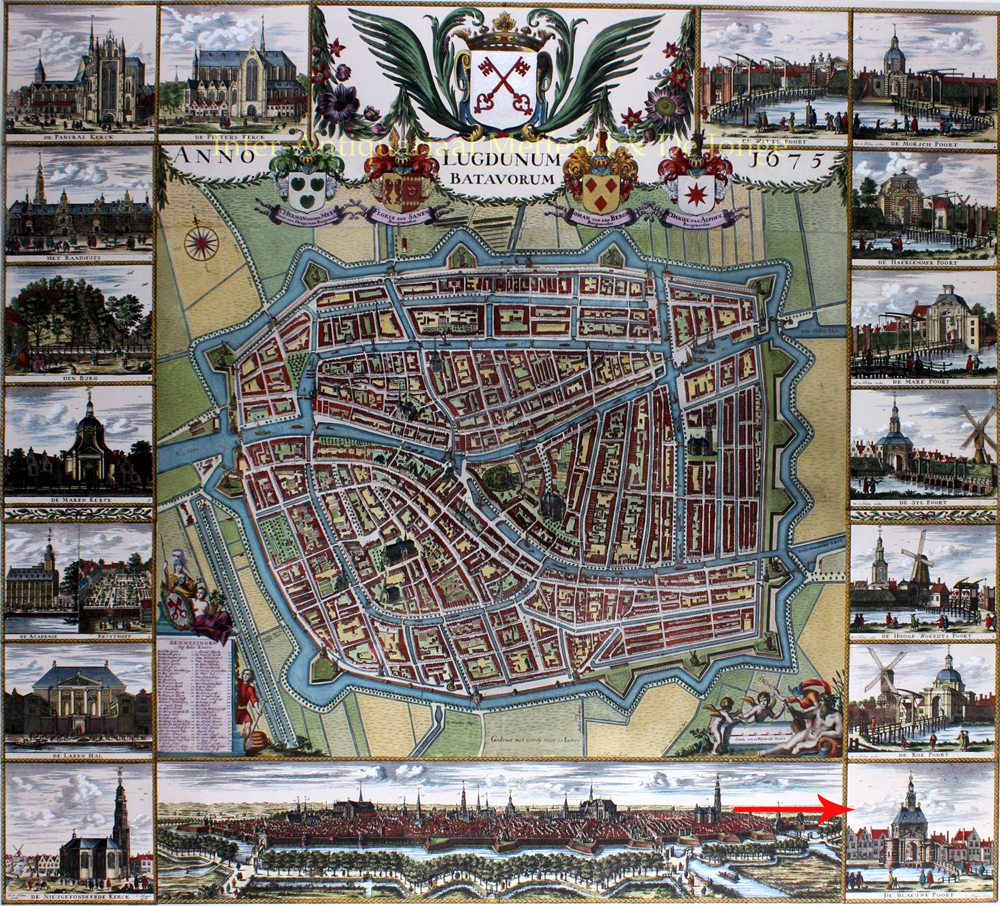
Blauwpoort Leiden
The Blauwpoort (also known as the (old) Rijnsburgerpoort) is a former city gate in the city of Leiden. This city gate was located at the beginning of Haarlemmerstraat.
It owes its name to the blue Namur stone from which it was built. The gate was constructed between 1602 and 1610.
It replaced the old Lopsenpoort, which had fallen into disrepair. Shortly after this gate was completed in 1610, a new city expansion took place. On the north side, the city was expanded to the current canals and the Oude Herengracht. This brought the new Blauwpoort within the city limits.
The gate was therefore still brand new when it became redundant. However, it was not demolished until 1734. Three new wooden gates were erected at the new city limits: the Morspoort, the Rijnsburgerpoort, and the Marepoort.
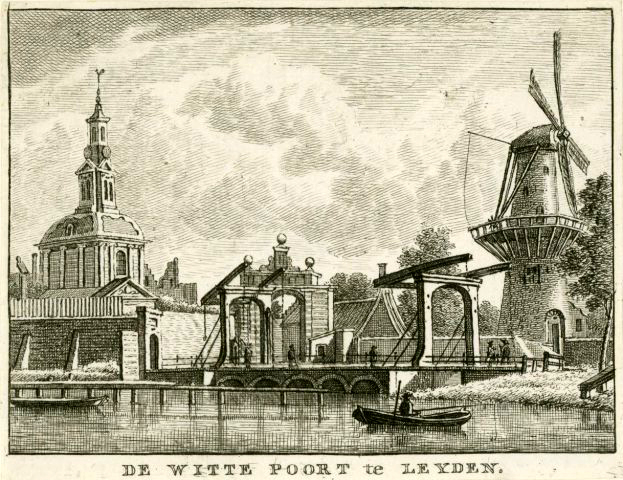
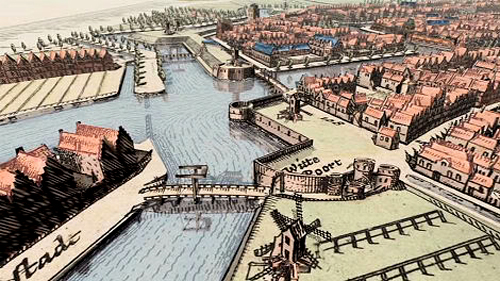
After demolition, the clockwork and bells were placed in the White Gate. Witte Poort.

Dou, Gerard_the Quack Doctor
References
Erik Beenker / Boijmans van Beuningen
De Collectie
Photos
Wikipedia