.jpg)
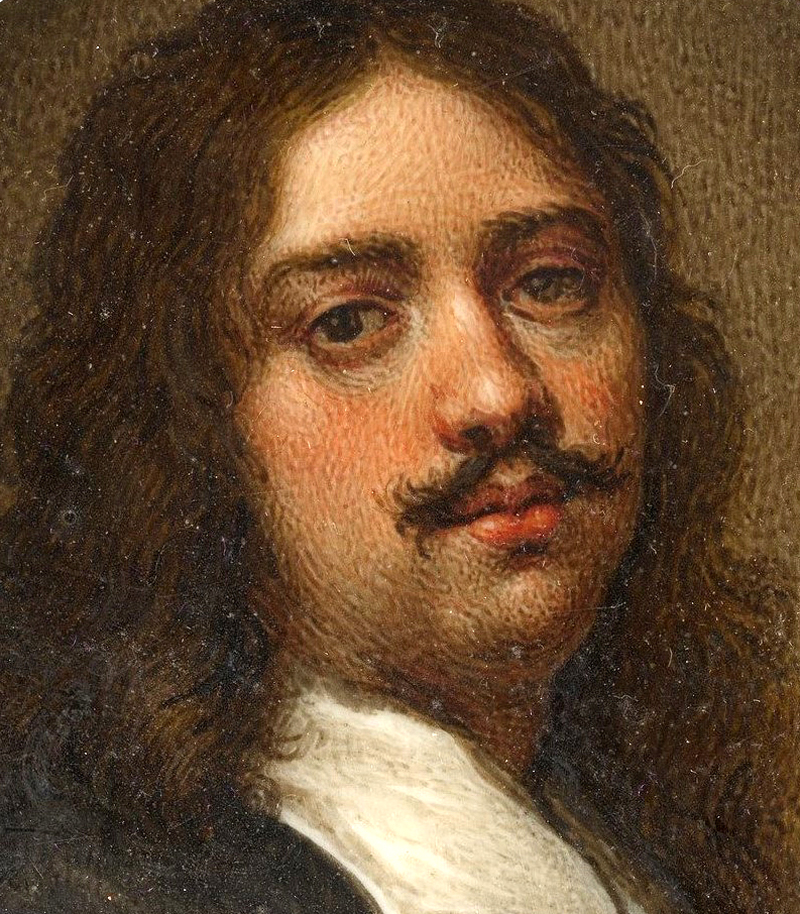
Jusepe de Ribera
1591, Játiva, Valencia - 1652, Naples, Italy
Ribera was a pupil of Caravaggio, and this is evident in his paintings, which display an extremely naturalistic approach and feature the same ‘dark’ light with which he manages to portray powerful, sculptural figures.
By casting a bright light on certain parts of the painting, he draws attention, while carefully omitting other elements and constructing his composition in simple patterns.
Ribera is primarily known as one of the most important painters of ascetic saints, hermits, heroic martyrs, and old men with wrinkled faces, consumed by penance and suffering.
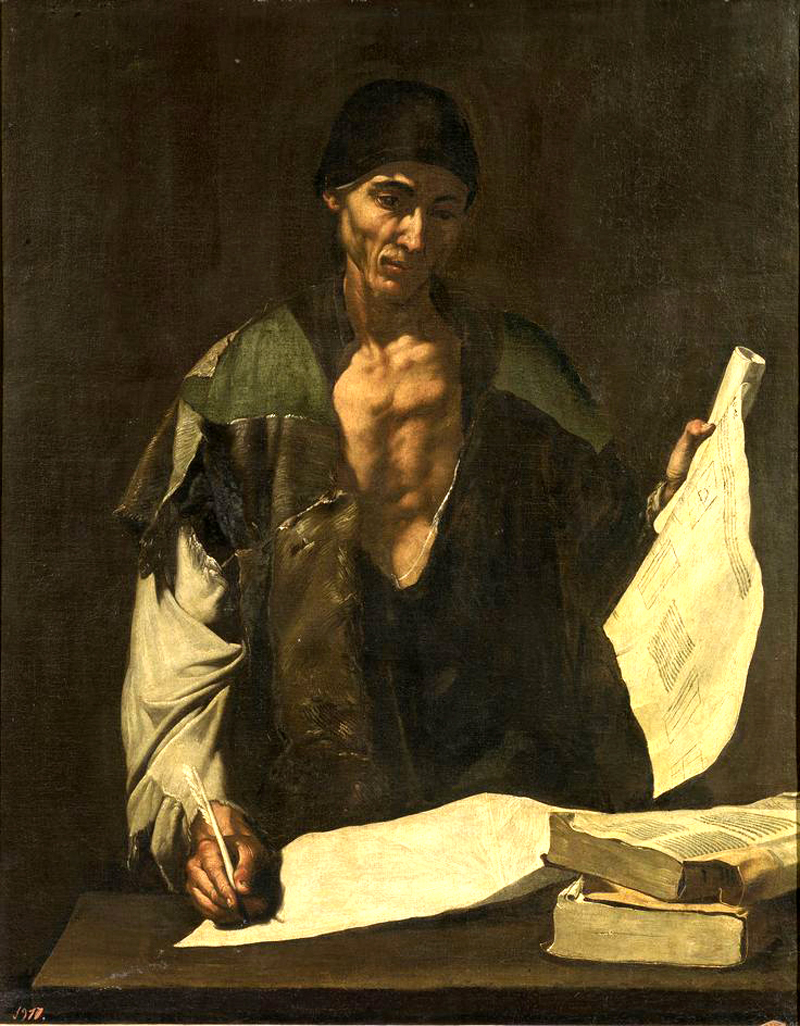
♦ The writing philosopher ♦
♦ Diagnosis
Main symptoms: asymmetrical chest, swollen rib joints, depression above the rib cage, indented sternum.
Secondary symptoms: young adult male
Clinical diagnosis: rachitic chest
♦ Definition: rachitic chest
Malformation of the chest due to vitamin D deficiency, characterized by swollen rib joints, known as ‘rachitic rosary’, indentations in the lower ribs (Harris groove) and sometimes in the sternum.
♦ Discussion
Rickets causes significant changes in the shape of the chest.
The active phase of rickets in children and infants produces the so-called “rachitic rosary,” composed of swollen rib joints. If the ribs are still soft and malleable during active rickets, they tend to grow inward, especially in cases of successive respiratory infections with bronchitis, which cause mild respiratory obstruction.
The chest wall is supported at the rib border by the intestines, causing a depression just above that border, usually between the 5th and 8th ribs, with protruding edges of the rib border itself. This deformity persists even after the rickets has been cured and is called Harrison's groove.
A similar mechanism causes the chest wall to sink at the level of the rib joints. This often involves an elongated depression parallel to the sternum, which is usually deeper on the right side than on the left, where the heart still provides some support. The deformity leads to the development of a so-called ‘chicken breast’.
The disease is characterized by the young age—between 4 months and 3 years—at which it occurs, a history of malnutrition, and minimal exposure to sunlight. In addition, there are other symptoms of rickets: enlarged and persistent anterior fontanelle, bulging forehead, delayed teething, irregular rib placement, enlargement of the bone ends (epiphysis) at the wrists and ankles, and a swollen abdomen.
Rickets has practically disappeared since the discovery of vitamin D in 1918 and the recognition of the importance of this vitamin, both in nutrition (milk and fish oil) and through exposure to sunlight during childhood and later life. Fish oil was a popular remedy for rickets long before the disease was discovered by doctors.
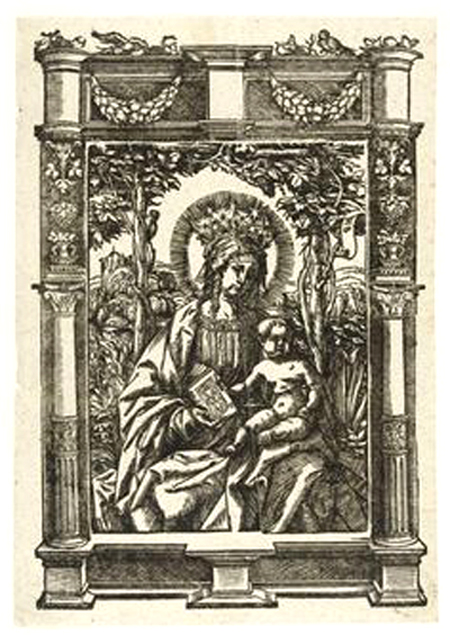
Rickets can also be seen in the painting The Virgin and Child (1509) by Hans Burgkmaier, 1473-1531
The child depicted has the bow legs so typical of rickets, which develop from the moment they are put under strain, because the child takes its first steps just after its first birthday. Of course, you have to consider whether there could be other causes for the curvature of the legs, such as Blaunt's disease, hypophosphatasia, or poorly developed bones (dysostosis).
Nevertheless, the degree and symmetry of the lateral curvature of the legs in this child unmistakably points to rickets.
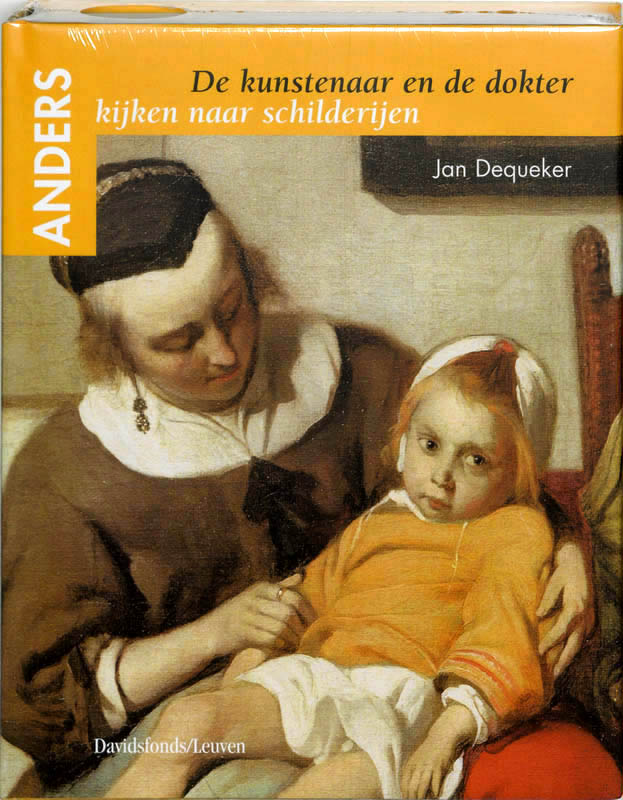
Source: Jan Dequeker

Rachitic chest
References
Jan Dequeker
The artist and the doctor look at paintings
Photos
wikimedia.org