


Corynebacterium jeikeium
-
General information
The pathogenic potential of coryneform bacteria has been underestimated
Taxonomy
Family: Corynebacteriaceae
Natural habitats
Part of normal skin flora, but causes disease mainly in immunocompromised patient
Common infections:
Part of normal skin flora, but causes disease mainly in immunocompromised patients
- Infective endocarditis (notably on prosthetic valves)
- Catheter-related bloodstream infections
- Prosthetic device infections (vascular grafts, orthopedic hardware)
Hospital-acquired (nosocomial): Frequently associated with indwelling medical devices and prolonged hospitalization.
Antibiotic resistance
- Often multidrug-resistant
- Typically resistant to β-lactams and many common antibiotics
- Vancomycin is the treatment of choice in most cases
Diagnostic importance
- Previously considered a contaminant, now recognized as a true pathogen when isolated from sterile sites.
Patient populations at risk
- Hematologic malignancies
- Bone marrow transplant recipients
- Patients on long-term antibiotics or with central venous catheters
In short, C. jeikeium is a clinically important, drug-resistant nosocomial pathogen in immunocompromised patients.
-
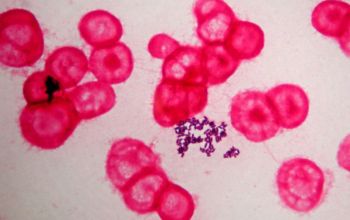
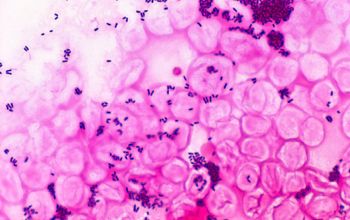
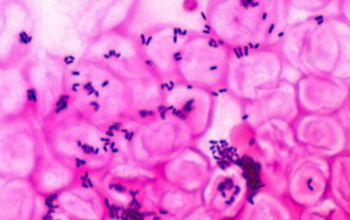
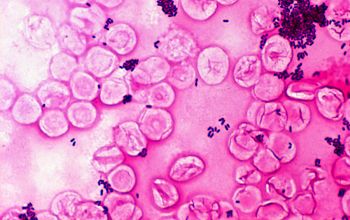
Gram stain
Gram positive rods,
irregularly shaped (‘coryneforms”), they are arranged as single cells, in pairs, in V forms, in palisades, or in clusters with
a so-called Chinese-letter appearance.
Club-shaped rods are observed in true members of the genus Corynebacterium only
-
Culture characteristics
-
Obligate aerobic
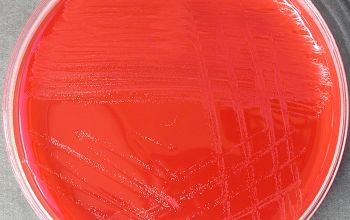
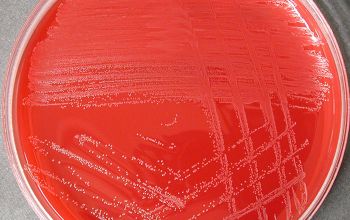
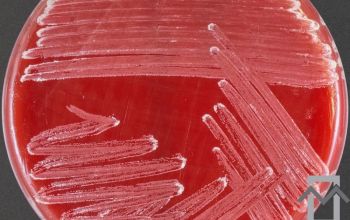
BA: colonies are tiny (lipophilic), low, entire, and grayish white.
Lipophilic bacteria
(fat-liking bacteria) are bacteria that proliferate in lipids.
Good growth is observed with broth supplemented with 1% Tween 80
McConkey: no growth
BBAØ: no growth
-
-
Characteristics
-
References
James Versalovic et al.(2011) Manual of Clinical Microbiology 10th Edition
Karen C. Carrol et al (2019) Manual of Clinical Microbiology, 12th Edition
Clinical Microbiology of Coryneform Bacteria Guido Funke Clin Microbiol Reviews, jan 1997
Microbiology on the go. An initiative by
Dept. Medical Microbiology and Infectious diseases